Question 1 of 40Road signs
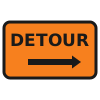
Question 1 of 40Road signs
Question 2 of 40Road signs
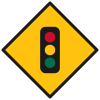
Question 3 of 40Road signs
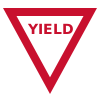
Question 4 of 40Road signs
Question 5 of 40Road signs
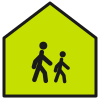
Question 6 of 40Road signs
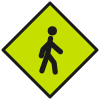
Question 7 of 40Road signs
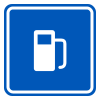
Question 8 of 40Road signs
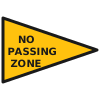
Question 9 of 40Road signs · Signals and pavement markings
Question 10 of 40Road signs · Signals and pavement markings
Question 11 of 40Road signs
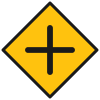
Question 12 of 40Road signs · Signals and pavement markings
Question 13 of 40Road signs · Signals and pavement markings
Question 14 of 40Road signs
Question 15 of 40Road signs
Question 16 of 40Road signs
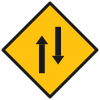
Question 17 of 40Road signs
Question 18 of 40Road signs
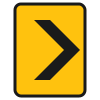
Question 19 of 40Road signs · Signals and pavement markings
Question 20 of 40Road signs
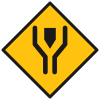
Question 21 of 40Road rules · Right of way
Question 22 of 40Road rules · Turning, passing and lanes
Question 23 of 40Road rules · Speed and following distance
Question 24 of 40Road rules · Safe driving and hazards
Question 25 of 40Road rules · Alcohol, drugs and penalties
Question 26 of 40Road rules · Speed and following distance
Question 27 of 40Road rules · Parking and stopping
Question 28 of 40Road rules · Safe driving and hazards
Question 29 of 40Road rules · Sharing the road
Question 30 of 40Road rules · Right of way
Question 31 of 40Road rules · Safe driving and hazards
Question 32 of 40Road rules · Right of way
Question 33 of 40Road rules · Right of way
Question 34 of 40Road rules · Turning, passing and lanes
Question 35 of 40Road rules · Turning, passing and lanes
Question 36 of 40Road rules · Alcohol, drugs and penalties
Question 37 of 40Road rules · Alcohol, drugs and penalties
Question 38 of 40Road rules · Turning, passing and lanes
Question 39 of 40Road rules · Sharing the road
Question 40 of 40Road rules · Right of way
Answer each question to see the explanation. Keyboard: A–D or 1–4 to answer, N next, P previous.
The correct answer to each question above, why it is right, and where it comes from. Try the test first.
Question 1: C. Follow the signs around a closed road
A detour sign leads you around a closed road. Follow the detour signs to get back on your route.
Handbook: Chapter: Traffic signs — Work zone signs
Question 2: D. There is a traffic light ahead
This sign warns of a traffic light ahead. Be ready to stop if it is yellow or red.
Handbook: Chapter: Traffic signs — Warning signs
Question 3: B. Slow down or stop and let that car go first
At a yield sign you must give way. Slow down, or stop if needed, and let the car with the right-of-way pass first.
Handbook: Chapter: Traffic signs — Regulatory signs
Question 4: D. The road does not connect to another road
A dead end or no outlet sign means the road does not connect to another road, so you will have to turn around.
Handbook: Chapter: Traffic signs — Warning signs
Question 5: C. 150 to 700 feet
When used, pentagon school signs are placed not less than 150 feet nor more than 700 feet before the school grounds or crossing.
Handbook: Section 7: Signs, Signals & Markings — Shapes of Signs
Question 6: A. People may be crossing the road ahead
This pedestrian crossing sign warns that people may be crossing. Slow down and yield to anyone in the crosswalk.
Handbook: Chapter: Traffic signs — Warning signs
Question 7: A. Fuel is available at or near the next exit
Blue signs show services for drivers. A gas pump symbol means fuel is available near the next exit.
Handbook: Chapter: Traffic signs — Guide and service signs
Question 8: C. The start of a no-passing zone
The pennant sign marks the start of a no-passing zone. Do not begin to pass from this point on.
Handbook: Chapter: Traffic signs — Warning signs
Question 9: A. The edge of the road
A solid white edge line marks the right edge of the road and helps you stay on it at night and in fog.
Handbook: Chapter: Traffic signals and pavement markings — Pavement markings
Question 10: B. Wait until there is room to clear the intersection
Do not enter an intersection unless there is room to clear it, even on green. Blocking it holds up cross traffic.
Handbook: Chapter: Traffic signals and pavement markings — Traffic signals
Question 11: B. Another road crosses yours
The cross symbol warns of a crossroad ahead. Watch for traffic coming from both sides.
Handbook: Chapter: Traffic signs — Warning signs
Question 12: B. Yield at that line
A row of white triangles, called a yield line, shows where you must yield.
Handbook: Chapter: Traffic signals and pavement markings — Pavement markings
Question 13: A. The light is about to turn red
A steady yellow light warns that the light is about to turn red. Stop if you can do so safely.
Handbook: Chapter: Traffic signals and pavement markings — Traffic signals
Question 14: D. An overpass or bridge with limited space above
A low clearance sign shows how much space there is under an overpass or bridge, so tall vehicles can avoid it.
Handbook: Chapter: Traffic signs — Warning signs
Question 15: C. The police officer
A police officer directing traffic overrides signs and signals, so follow the officer.
Handbook: Chapter: Traffic signs — Regulatory signs
Question 16: C. Traffic will soon come toward you on this road
The two-way traffic sign warns that oncoming traffic will soon use the same road as you.
Handbook: Chapter: Traffic signs — Warning signs
Question 17: B. Give directions and distances
Green horizontal signs are guide signs. They show directions, distances and exits.
Handbook: Chapter: Traffic signs — Sign shapes and colors
Question 18: A. On the outside edge of a sharp curve
Chevron signs are placed on the outside of a sharp curve and point the way to steer.
Handbook: Chapter: Traffic signs — Warning signs
Question 19: A. After a full stop, unless a sign forbids it
Generally you may turn right on red after a full stop if no sign forbids it and you yield to people and traffic.
Handbook: Chapter: Traffic signals and pavement markings — Traffic signals
Question 20: B. A median will split the two directions
This sign warns that a divided highway begins, so a median will split the two directions of traffic.
Handbook: Chapter: Traffic signs — Warning signs
Question 21: D. Let it go through first
Yield to vehicles already in the intersection. Wait for them to clear it before you go.
Handbook: Chapter: Right of way — Stop signs and intersections
Question 22: A. Signal and check for traffic
Signal and check mirrors and your blind spot before pulling away from the curb.
Handbook: Chapter: Turning, passing and lane use — Signaling
Question 23: B. Slow down and leave more space
Wet roads give your tires less grip, so slow down and leave more space ahead.
Handbook: Chapter: Speed and following distance — Speed and road conditions
Question 24: B. You cannot see as far or as clearly
At night you cannot see as far or as clearly, so it is harder to spot hazards in time.
Handbook: Chapter: Safe driving and hazards — Night and weather
Question 25: C. By driving, you agree to alcohol or drug tests
Implied consent means that by driving, you have agreed to a test for alcohol or drugs if lawfully asked.
Handbook: Chapter: Alcohol, drugs and penalties — Testing and implied consent
Question 26: B. 3 or 4 seconds
Allow 3 or 4 seconds when following a motorcycle so the rider has time to maneuver or stop.
Handbook: Section 9: Sharing the Road — Following Too Close
Question 27: A. Pull up beside the car in front of the space
Signal, then pull up alongside the car in front of the space before you start to back in.
Handbook: Chapter: Parking and stopping — Parallel parking
Question 28: D. Use your signals and brake lights
Signals, brake lights and eye contact tell other drivers and people walking what you plan to do.
Handbook: Chapter: Safe driving and hazards — Defensive driving
Question 29: C. The truck driver cannot see you
If you cannot see the truck's mirrors, the driver cannot see you. Drop back so you can.
Handbook: Chapter: Sharing the road — Large trucks and buses
Question 30: A. You go with care; cross traffic stops
Flashing red means the cross street must stop. Your flashing yellow means you may go on with care.
Handbook: Chapter: Right of way — Signals and right of way
Question 31: B. 200 feet
Dim your headlights when following within 200 feet behind another vehicle.
Handbook: Section 5: Traffic Laws — Use Headlights Properly
Question 32: D. Take turns and let one car in at a time
When lanes merge, take turns and leave room so each driver can merge smoothly and safely.
Handbook: Chapter: Right of way — Right-of-way basics
Question 33: A. No driver should insist on taking it
The law says who must yield, but no driver should insist on the right-of-way if it could cause a crash.
Handbook: Chapter: Right of way — Right-of-way basics
Question 34: D. On the left
You should normally pass on the left. Passing on the right is allowed only in certain cases.
Handbook: Chapter: Turning, passing and lane use — Passing
Question 35: C. Signal, check mirrors and blind spot, then move
Signal first, check your mirrors and blind spot, then move over smoothly when it is clear.
Handbook: Chapter: Turning, passing and lane use — Changing lanes
Question 36: D. Do not drive until you know how it affects you
A car counts as heavy machinery. Do not drive until you know how the medicine affects you.
Handbook: Chapter: Alcohol, drugs and penalties — Drugs and medicine
Question 37: D. Judgment
Alcohol affects judgment first, so a driver may feel fine while making poor choices.
Handbook: Chapter: Alcohol, drugs and penalties — How alcohol affects you
Question 38: C. Go on to the next exit
Never back up or turn around on a highway. Drive on to the next exit.
Handbook: Chapter: Turning, passing and lane use — Highway driving
Question 39: C. Slow down and watch for people
People getting out of a car may step into the road, so slow down and watch for them.
Handbook: Chapter: Sharing the road — Pedestrians
Question 40: B. The car on the right
At an all-way stop, go in the order you arrived; if two arrive about the same time, yield to the vehicle on your right.
Handbook: Section 5: Traffic Laws — Laws Governing Right-of-Way
Practice test 2 of 10 for the Knowledge Exam (Road Rules Test and Road Signs Test) (Georgia DDS): 40 questions · 15 of 20 in each section to pass · no time limit.