Question 1 of 40Road signs (Ohio)
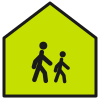
Question 1 of 40Road signs (Ohio)
Question 2 of 40Safe driving and hazards
Question 3 of 40Parking and stopping
Question 4 of 40Road signs
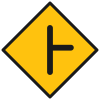
Question 5 of 40Road signs
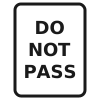
Question 6 of 40Turning, passing and lanes
Question 7 of 40Road signs

Question 8 of 40Speed and following distance
Question 9 of 40Speed and following distance
Question 10 of 40Signals and pavement markings
Question 11 of 40Alcohol, drugs and penalties
Question 12 of 40Safe driving and hazards
Question 13 of 40Turning, passing and lanes
Question 14 of 40Road signs
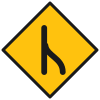
Question 15 of 40Emergencies and equipment
Question 16 of 40Road signs
Question 17 of 40Licensing and insurance (Ohio)
Question 18 of 40Speed and following distance (Ohio)
Question 19 of 40Sharing the road (Ohio)
Question 20 of 40Parking and stopping (Ohio)
Question 21 of 40Speed and following distance
Question 22 of 40Right of way
Question 23 of 40Speed and following distance
Question 24 of 40Parking and stopping (Ohio)
Question 25 of 40Sharing the road
Question 26 of 40Emergencies and equipment (Ohio)
Question 27 of 40Turning, passing and lanes
Question 28 of 40Signals and pavement markings
Question 29 of 40Emergencies and equipment (Ohio)
Question 30 of 40Signals and pavement markings
Question 31 of 40Emergencies and equipment
Question 32 of 40Turning, passing and lanes
Question 33 of 40Road signs
Question 34 of 40Road signs
Question 35 of 40Speed and following distance
Question 36 of 40Sharing the road (Ohio)
Question 37 of 40Safe driving and hazards (Ohio)
Question 38 of 40Road signs
Question 39 of 40Road signs
Question 40 of 40Parking and stopping
Answer each question to see the explanation. Keyboard: A–D or 1–4 to answer, N next, P previous.
The correct answer to each question above, why it is right, and where it comes from. Try the test first.
Question 1: B. When its lights flash or children are present
Ohio drivers must obey the slower school zone limit when the lights are flashing or children are present.
Handbook: Section 9: Sharing the Road — Pedestrians
Question 2: D. You may take more risks
Strong feelings make you take more risks and pay less attention, so wait until you are calm before you drive.
Handbook: Chapter: Safe driving and hazards — Defensive driving
Question 3: A. No, it is not allowed
Do not park across a driveway. It keeps people from getting in or out.
Handbook: Chapter: Parking and stopping — Where not to park
Question 4: A. Cars may enter from a road on the right
This side road sign warns that a road joins from the right, so cars may enter your road.
Handbook: Chapter: Traffic signs — Warning signs
Question 5: A. You may not pass other vehicles here
This sign means do not pass. You must not pass other vehicles on this part of the road.
Handbook: Chapter: Traffic signs — Regulatory signs
Question 6: D. Before the no-passing zone begins
You must complete a pass and be back in your lane before a no-passing zone begins.
Handbook: Chapter: Turning, passing and lane use — Passing
Question 7: C. Stop completely, then go when it is safe
This is a stop sign. You must come to a full stop and move on only when the way is clear.
Handbook: Chapter: Traffic signs — Regulatory signs
Question 8: D. Slow to the school limit and watch for children
In an active school zone, slow to the posted school zone limit and watch closely for children.
Handbook: Chapter: Speed and following distance — Special speed zones
Question 9: A. You may not see a hazard in time to stop
If you drive faster than your lights reach, you may not see a hazard in time to stop.
Handbook: Chapter: Speed and following distance — Speed and road conditions
Question 10: B. You may turn left; oncoming cars must stop
A green arrow gives you a protected turn in that direction. Oncoming traffic should be stopped, but still watch for people in the crosswalk.
Handbook: Chapter: Traffic signals and pavement markings — Traffic signals
Question 11: D. They are stricter, with a very low limit
Every state has a zero-tolerance law, so the limit for drivers under 21 is stricter: very low or zero.
Handbook: Chapter: Alcohol, drugs and penalties — Legal limits
Question 12: B. Any time it is hard to see
Turn on your headlights any time it is hard to see, such as at dusk, in rain or in fog.
Handbook: Chapter: Safe driving and hazards — Night and weather
Question 13: C. Well before the intersection
Move into the correct lane well before the intersection so you do not swerve at the last moment.
Handbook: Chapter: Turning, passing and lane use — Turns
Question 14: C. Another lane of traffic will join yours
The merge sign warns that traffic from another lane or ramp will join your lane ahead.
Handbook: Chapter: Traffic signs — Warning signs
Question 15: D. Stop, call 911, and help if you can
Stop, call 911, and give help you are able to give. Do not move injured people unless they are in danger.
Handbook: Chapter: Emergencies and vehicle equipment — Crashes
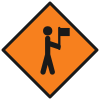
Question 16: D. Follow the signals of a worker directing traffic
This sign warns of a flagger ahead. A flagger directs traffic with signals that you must obey.
Handbook: Chapter: Traffic signs — Work zone signs
Question 17: B. $25,000
Ohio's minimum liability coverage is $25,000 for one person, $50,000 for two or more people and $25,000 for property damage.
Handbook: Section 6: State Laws and Penalties — Insurance - Financial Responsibility
Question 18: A. 25 mph
The Ohio Digest lists 25 mph as the speed limit for streets within a municipal corporation.
Handbook: Section 4: Rules of the Road — Speed Limits
Question 19: C. 335 feet
A loaded truck at 55 mph needs at least 335 feet to stop, more than 1½ times a passenger car's stopping distance.
Handbook: Section 9: Sharing the Road — Front No Zones
Question 20: B. 20 feet
Ohio law bars stopping, standing or parking in or within 20 feet of an intersection or crosswalk.
Handbook: Section 5: Learning to Drive — Stopping, Parking, or Standing Prohibited
Question 21: D. Keep a safe following distance
A safe following distance gives you time to react and stop if the car ahead stops suddenly.
Handbook: Chapter: Speed and following distance — Following distance
Question 22: A. No driver should insist on taking it
The law says who must yield, but no driver should insist on the right-of-way if it could cause a crash.
Handbook: Chapter: Right of way — Right-of-way basics
Question 23: A. Go much slower and leave a lot more space
On snow and ice, stopping takes much longer, so drive much slower and leave a lot more space.
Handbook: Chapter: Speed and following distance — Speed and road conditions
Question 24: A. No more than 12 inches
Ohio requires parking parallel to and not more than 12 inches from the curb, facing the direction of traffic.
Handbook: Section 5: Learning to Drive — Parking
Question 25: D. Blind spots where the driver cannot see you
No zones are the large blind spots around a truck where the driver cannot see you.
Handbook: Chapter: Sharing the road — Large trucks and buses
Question 26: D. Apply the parking brake slowly
If your brakes fail, use the parking brake slowly so you do not lock the rear wheels; if that fails, turn off the engine.
Handbook: Section 10: Emergency Situations — Brake Failure
Question 27: B. Turn it off
If your signal does not turn off by itself after a turn, turn it off so you do not confuse others.
Handbook: Chapter: Turning, passing and lane use — Signaling
Question 28: B. Wait until there is room to clear the intersection
Do not enter an intersection unless there is room to clear it, even on green. Blocking it holds up cross traffic.
Handbook: Chapter: Traffic signals and pavement markings — Traffic signals
Question 29: C. 50%, plus or minus 3%
Ohio front-seat side windows must allow 50% light transmission, plus or minus 3%; the windshield needs 70%.
Handbook: Section 2: Before You Drive — Vehicle Equipment Regulations
Question 30: A. After a full stop, unless a sign forbids it
Generally you may turn right on red after a full stop if no sign forbids it and you yield to people and traffic.
Handbook: Chapter: Traffic signals and pavement markings — Traffic signals
Question 31: A. Get out and walk away at an angle toward the train
Get out at once and walk away from the tracks at an angle toward the train, so debris thrown forward in the crash will not hit you.
Handbook: Chapter: Emergencies and vehicle equipment — Railroad emergencies
Question 32: B. Pull over where safe and let them pass
If a long line forms behind you, pull over where it is safe and let them pass.
Handbook: Chapter: Turning, passing and lane use — Lane use
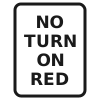
Question 33: D. You may not turn, even after you stop
This sign means no turn on red. You must stop and wait for a green light before you turn.
Handbook: Chapter: Traffic signs — Regulatory signs
Question 34: B. You have left the work zone
The end road work sign tells you that you have left the work zone and normal rules apply again.
Handbook: Chapter: Traffic signs — Work zone signs
Question 35: C. Others may come up on you fast or pass unsafely
Driving far below the flow of traffic makes others come up on you fast or try risky passes, which can cause crashes.
Handbook: Chapter: Speed and following distance — Basic speed rule
Question 36: C. 3 feet
Ohio drivers must keep a safety zone of at least 3 feet between their vehicle and a bicycle.
Handbook: Section 9: Sharing the Road — Bicyclists
Question 37: D. When a vehicle is coming toward you
Ohio law requires you to dim high beams for approaching traffic; use high beams only when no vehicle is coming toward you.
Handbook: Section 7: Special Driving Situations — Night Driving
Question 38: A. The no-passing zone has ended
A pass with care sign marks the end of a no-passing zone. You may pass again, but only when it is safe.
Handbook: Chapter: Traffic signs — Regulatory signs
Question 39: A. Ahead of the hazard, to give you time
Warning signs are placed ahead of the hazard so you have time to see it and slow down.
Handbook: Chapter: Traffic signs — Warning signs
Question 40: A. Pull up beside the car in front of the space
Signal, then pull up alongside the car in front of the space before you start to back in.
Handbook: Chapter: Parking and stopping — Parallel parking
Practice test 2 of 10 for the Driver License Knowledge Test (for the Temporary Instruction Permit Identification Card, TIPIC) (Ohio BMV): 40 questions · 30 of 40 (75%) to pass · no time limit.