Question 1 of 45General knowledge · Traffic signs
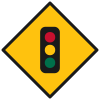
Question 1 of 45General knowledge · Traffic signs
Question 2 of 45General knowledge
Question 3 of 45General knowledge
Question 4 of 45General knowledge
Question 5 of 45General knowledge · Traffic signs
Question 6 of 45General knowledge
Question 7 of 45General knowledge · Traffic signs
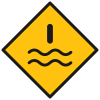
Question 8 of 45General knowledge
Question 9 of 45General knowledge
Question 10 of 45General knowledge · Traffic signs
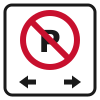
Question 11 of 45General knowledge · Traffic signs
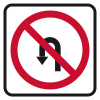
Question 12 of 45General knowledge · Traffic signs
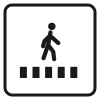
Question 13 of 45General knowledge · Traffic signs
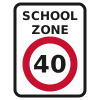
Question 14 of 45General knowledge
Question 15 of 45General knowledge · Traffic signs
Question 16 of 45Road safety
Question 17 of 45Road safety
Question 18 of 45Road safety
Question 19 of 45Road safety
Question 20 of 45Road safety
Question 21 of 45Road safety
Question 22 of 45Road safety
Question 23 of 45Road safety
Question 24 of 45Road safety
Question 25 of 45Road safety
Question 26 of 45Road safety
Question 27 of 45Road safety
Question 28 of 45Road safety
Question 29 of 45Road safety
Question 30 of 45Road safety
Question 31 of 45Road safety
Question 32 of 45Road safety
Question 33 of 45Road safety
Question 34 of 45Road safety
Question 35 of 45Road safety
Question 36 of 45Road safety
Question 37 of 45Road safety
Question 38 of 45Road safety
Question 39 of 45Road safety
Question 40 of 45Road safety
Question 41 of 45Road safety
Question 42 of 45Road safety
Question 43 of 45Road safety
Question 44 of 45Road safety
Question 45 of 45Road safety
Answer each question to see the explanation. Keyboard: A–D or 1–4 to answer, N next, P previous.
The correct answer to each question above, why it is right, and where it comes from. Try the test first.
Question 1: D. Stop if the lights are red or yellow
This sign warns of traffic lights ahead, so be ready to stop if they are red or yellow.
Handbook: Stopping, giving way and turning — Traffic lights (p. 85)
Question 2: A. It is cancelled and you must not drive
When a court disqualifies you, your licence is cancelled and you must not drive at all until it is reissued.
Handbook: Penalties — Loss of licence (p. 198)
Question 3: C. 12 months
Learners under 25 in NSW must hold their learner licence for at least 12 months before the Driving Test.
Handbook: Licences — Getting your driver licence (p. 13)
Question 4: B. 20 metres
Number plates must be clean and readable from at least 20 metres away, from above and from the side.
Handbook: Vehicle safety and compliance — Number plates (p. 187)
Question 5: A. 1 hour limit unless you hold the area permit
1P means you may park for up to 1 hour, and holders of a valid permit for that area do not have to keep to the limit.
Handbook: Parking — Restricted parking (p. 162)
Question 6: C. Indicate right as you follow the curve
You must indicate before going straight ahead at a T-intersection where the continuing road curves, so here you indicate right.
Handbook: Stopping, giving way and turning — Indicating (p. 114)
Question 7: A. Turn around or wait for it to clear
Floodwater is very dangerous, so it is safer to turn around or wait for the road to clear.
Handbook: Warnings and road hazards — Driving in poor conditions (p. 181)
Question 8: B. 250 kg
P1 drivers may tow only light trailers up to 250 kg when empty, with a red P plate on the back of the trailer.
Handbook: Licences — Licence restrictions (p. 22)
Question 9: A. 4 points
Learner and P1 licence holders in NSW have a limit of 4 demerit points over 3 years.
Handbook: Penalties — Demerit points (p. 196)
Question 10: D. Stop briefly to drop someone off
A No parking sign lets you stop briefly to drop off or pick up, while a No stopping sign bans stopping except in an emergency.
Handbook: Parking — Restricted parking (p. 160)
Question 11: C. A single continuous dividing line
You must not make a U-turn across a single continuous dividing line, or across double lines with a continuous line nearer to you.
Handbook: Stopping, giving way and turning — U-turns and three-point turns (p. 112)
Question 12: C. Overtake or pass that car
You must not overtake or pass a vehicle that is stopping or has stopped to give way to people at a crossing.
Handbook: Stopping, giving way and turning — Pedestrian crossings (p. 117)
Question 13: A. Flashing lights and dragon's teeth
In NSW every school has at least one set of flashing lights for its zone, and dragon's teeth are painted on the road.
Handbook: Safe driving behaviour — Speed limits (p. 35)
Question 14: B. 3 months
You can drive in NSW on an interstate licence for up to 3 months, and must transfer to a NSW licence within that time.
Handbook: Licences — Interstate and overseas licences (p. 25)
Question 15: A. 2 minutes
At a No parking sign you may stop for less than 2 minutes to drop off or pick up, staying within 3 metres of your car.
Handbook: Parking — No parking (p. 157)
Question 16: C. Video calls are not allowed while driving
In NSW, a full licence holder may use a phone in a holder only for voice calls, audio and driver's aids. Video calls are not allowed while driving.
Handbook: Safe driving behaviour — Mobile phones (p. 55)
Question 17: C. In daylight, with a limit of 50 km/h or less and no dividing line
They may only use the road in daylight, where the limit is 50 km/h or less and there is no white dividing line.
Handbook: Sharing with other road users — Pedestrians (p. 75)
Question 18: C. A person using a wheelchair
Pedestrians include people walking, people in a wheelchair, and people pushing a bicycle.
Handbook: Sharing with other road users — Pedestrians (p. 71)
Question 19: A. Above 60 km/h
Use air conditioning only when you need it. It works most efficiently when you are driving above 60 km/h.
Handbook: Vehicle safety and compliance — Ecodriving (p. 194)
Question 20: D. Stay calm and pass only when safe
If other drivers beep to pressure you, stay calm. Only pass the bicycle rider when you are sure it is safe.
Handbook: Sharing with other road users — Bicycle riders (p. 76)
Question 21: D. 28 metres
At 50 km/h, 2 seconds with your eyes off the road means you travel about 28 metres.
Handbook: Warnings and road hazards — Driving distractions (p. 181)
Question 22: C. The rider may need to avoid debris or oil
Motorcycle riders may need to move suddenly to avoid hazards such as debris or oil slicks, and may need extra time to stop.
Handbook: Sharing with other road users — Motorcycle riders (p. 79)
Question 23: B. Plenty of water
Lack of water can cause fatigue. Drink plenty of water, and avoid alcohol, too much coffee and sweet soft drinks.
Handbook: Safe driving behaviour — Fatigue (p. 60)
Question 24: B. 10 km/h
Shared zones have a limit of 10 km/h, and drivers must give way to anyone walking there.
Handbook: Safe driving behaviour — Speed limits (p. 35)
Question 25: A. Driving without the care expected of a driver
Negligent driving means driving without the due care and attention a driver is reasonably expected to show.
Handbook: Safe driving behaviour — Negligent or dangerous driving (p. 63)
Question 26: C. 100 km/h
In NSW, P2 drivers may not drive faster than 100 km/h, even when the road limit is 110.
Handbook: Safe driving behaviour — Speed limits (p. 33)
Question 27: C. When you cannot see it from your seat
A passenger may use a screen only if you cannot see it from your driving seat and it does not distract other drivers.
Handbook: Safe driving behaviour — Digital screens and GPS (p. 57)
Question 28: D. No, only one trailer at a time
When towing, you must not tow more than one trailer at a time.
Handbook: Vehicle safety and compliance — Towing (p. 192)
Question 29: D. Not at all; drive as safely as before
Driver assist systems help, but they cannot stop you losing control or crashing if you drive in a risky way. Drive as safely as before.
Handbook: Vehicle safety and compliance — Electronic driver assist systems (p. 191)
Question 30: D. Do not pass it at more than 40 km/h
While the lights flash, the bus may be dropping off children, so you must not pass it at more than 40 km/h.
Handbook: Safe driving behaviour — Speed limits (p. 36)
Question 31: C. At sunrise and sunset
Animals are harder to see at sunrise and sunset, and are more active near creeks and waterholes.
Handbook: Warnings and road hazards — Wildlife and livestock (p. 173)
Question 32: A. Only as far as you need to
Children are at greater risk when cars reverse, as drivers see them poorly. Take care and only reverse as far as you need to.
Handbook: Sharing with other road users — Pedestrians (p. 74)
Question 33: C. It is higher than with no passengers
Young drivers have a higher risk of crashing with passengers of a similar age, as their noise and pressure can distract.
Handbook: Warnings and road hazards — Driving distractions (p. 181)
Question 34: C. No, you must not drink alcohol while driving
You must not drink alcohol while driving, even if your BAC would stay under your legal limit.
Handbook: Safe driving behaviour — Alcohol limits (p. 40)
Question 35: B. Slow down and give them room
Riders may use the full lane, so be ready to slow down and give them room away from the kerb.
Handbook: Sharing with other road users — Bicycle riders (p. 76)
Question 36: B. 50 km/h
In NSW, a built-up area with no speed sign has a default limit of 50 km/h.
Handbook: Safe driving behaviour — Speed limits (p. 32)
Question 37: D. Arrange a lift, taxi or train home
If you plan to drink, arrange a way home that does not involve driving, such as a lift, taxi or train.
Handbook: Safe driving behaviour — Alcohol limits (p. 42)
Question 38: C. 0.05
Research shows that about 17 hours awake affects driving in a similar way to a BAC of 0.05.
Handbook: Safe driving behaviour — Fatigue (p. 58)
Question 39: A. Leave space so you can avoid an opening door
Road positioning means keeping space around your car, such as not driving too close to parked cars where a door may open.
Handbook: Safe driving behaviour — Safe stopping distance (p. 65)
Question 40: D. Only if it is safe to stop
If you hit an animal, only stop if it is safe to do so. Then get help for the animal if it is hurt.
Handbook: Warnings and road hazards — Wildlife and livestock (p. 173)
Question 41: B. The driver of the vehicle
The driver must make sure each passenger, and every child, is restrained properly for the whole trip.
Handbook: Safe driving behaviour — Seatbelts (p. 47)
Question 42: B. 90 km/h
The default limit there is 100 km/h, but a P1 driver's own limit of 90 km/h is lower, so 90 km/h applies.
Handbook: Safe driving behaviour — Speed limits (p. 33)
Question 43: A. Running off the road on a curve
Running off the road on a curve or bend is one of the five crash types that make up most NSW casualty crashes.
Handbook: Safe driving behaviour — Common crashes in NSW (p. 70)
Question 44: D. Stop until the rider has control
If a rider is having trouble with their horse, stop and wait until the rider has control.
Handbook: Sharing with other road users — Horse riders (p. 79)
Question 45: C. Cannabis
Mobile drug testing in NSW checks for four common illegal drugs, and cannabis is one of them.
Handbook: Safe driving behaviour — Drugs and medicines (p. 43)
Practice test 2 of 10 for the Driver Knowledge Test (DKT) (Transport for NSW): 45 questions, 41 to pass (12 of 15 general knowledge and 29 of 30 road safety) — the commonly reported format; Transport for NSW does not publish the count or a pass mark. Our practice tests are untimed.