Question 1 of 50Road signs
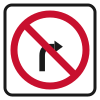
Question 1 of 50Road signs
Question 2 of 50Road signs · Signals and pavement markings
Question 3 of 50Road signs
Question 4 of 50Road signs · Signals and pavement markings
Question 5 of 50Road signs
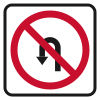
Question 6 of 50Road signs
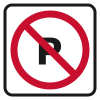
Question 7 of 50Road signs
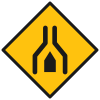
Question 8 of 50Road signs
Question 9 of 50Road signs
Question 10 of 50Road signs
Question 11 of 50Road signs
Question 12 of 50Road signs
Question 13 of 50Road signs

Question 14 of 50Road signs · Signals and pavement markings
Question 15 of 50Road signs
Question 16 of 50Road signs
Question 17 of 50Rules of the road · Right of way
Question 18 of 50Rules of the road · Alcohol, drugs and penalties
Question 19 of 50Rules of the road · Alcohol, drugs and penalties
Question 20 of 50Rules of the road · Emergencies and equipment
Question 21 of 50Rules of the road · Right of way
Question 22 of 50Rules of the road · Sharing the road
Question 23 of 50Rules of the road · Right of way
Question 24 of 50Rules of the road · Turning, passing and lanes
Question 25 of 50Rules of the road · Alcohol, drugs and penalties
Question 26 of 50Rules of the road · Safe driving and hazards
Question 27 of 50Rules of the road · Right of way
Question 28 of 50Rules of the road · Safe driving and hazards
Question 29 of 50Rules of the road · Turning, passing and lanes
Question 30 of 50Rules of the road · Sharing the road
Question 31 of 50Rules of the road · Right of way
Question 32 of 50Rules of the road · Safe driving and hazards
Question 33 of 50Rules of the road · Right of way
Question 34 of 50Rules of the road · Speed and following distance
Question 35 of 50Rules of the road · Speed and following distance
Question 36 of 50Rules of the road · Alcohol, drugs and penalties
Question 37 of 50Rules of the road · Right of way
Question 38 of 50Rules of the road · Parking and stopping
Question 39 of 50Rules of the road · Safe driving and hazards
Question 40 of 50Rules of the road · Speed and following distance
Question 41 of 50Rules of the road · Alcohol, drugs and penalties
Question 42 of 50Rules of the road · Alcohol, drugs and penalties
Question 43 of 50Rules of the road · Emergencies and equipment
Question 44 of 50Rules of the road · Safe driving and hazards
Question 45 of 50Rules of the road · Turning, passing and lanes
Question 46 of 50Rules of the road · Speed and following distance
Question 47 of 50Rules of the road · Turning, passing and lanes
Question 48 of 50Rules of the road · Parking and stopping
Question 49 of 50Rules of the road · Alcohol, drugs and penalties
Question 50 of 50Rules of the road · Right of way
Answer each question to see the explanation. Keyboard: A–D or 1–4 to answer, N next, P previous.
The correct answer to each question above, why it is right, and where it comes from. Try the test first.
Question 1: B. A right turn
This sign bans right turns at that spot, so you must go straight or turn left if allowed.
Handbook: Chapter: Traffic signs — Regulatory signs
Question 2: B. Bikes may use the full lane, so expect them in it
This shared-lane marking means bikes may use the full lane, so expect cyclists in it and pass only when safe.
Handbook: Chapter: Traffic signals and pavement markings — Pavement markings
Question 3: D. The highway runs mostly north and south
Interstate routes with odd numbers usually run north and south; even numbers usually run east and west.
Handbook: Chapter: Traffic signs — Guide and service signs
Question 4: D. Where to stop for a sign or signal
A stop line shows where you must stop for a stop sign or a red light.
Handbook: Chapter: Traffic signals and pavement markings — Pavement markings
Question 5: D. Turn around to go back the way you came
This sign bans U-turns. You may not turn around to go back the way you came at that spot.
Handbook: Chapter: Traffic signs — Regulatory signs
Question 6: D. You may not park here
This is a no parking sign. You may not leave your car parked in the area it covers.
Handbook: Chapter: Traffic signs — Regulatory signs
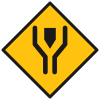
Question 7: A. Oncoming traffic with no median between you
This sign warns that the divided highway ends. Oncoming traffic will share the road with no median between you.
Handbook: Chapter: Traffic signs — Warning signs
Question 8: B. A median will split the two directions
This sign warns that a divided highway begins, so a median will split the two directions of traffic.
Handbook: Chapter: Traffic signs — Warning signs
Question 9: C. A regulatory sign
Regulatory signs, such as speed limit and stop signs, state rules you must obey by law.
Handbook: Chapter: Traffic signs — Regulatory signs
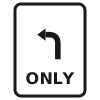
Question 10: C. Turn left
A left turn only sign means every vehicle in that lane must turn left at the intersection.
Handbook: Chapter: Traffic signs — Regulatory signs
Question 11: D. The same rights and duties as a car driver
Indiana says a rider of a horse or horse-drawn vehicle "has the same rights and responsibilities" as a motor vehicle driver.
Handbook: Chapter 7: Safe Vehicle Operation — Sharing the Road with Other Vehicles
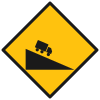
Question 12: D. Shift to a lower gear and keep your speed down
A lower gear lets the engine help slow the car, so your brakes do not overheat on a long steep grade.
Handbook: Chapter: Traffic signs — Warning signs
Question 13: A. On the outside edge of a sharp curve
Chevron signs are placed on the outside of a sharp curve and point the way to steer.
Handbook: Chapter: Traffic signs — Warning signs
Question 14: B. They may start to cross, watching for turning cars
The walking person means people may start to cross, but they should still watch for cars that are turning.
Handbook: Chapter: Traffic signals and pavement markings — Traffic signals
Question 15: A. A railroad crossing ahead
The round yellow sign is used to give advance warning of a railroad crossing.
Handbook: Chapter: Traffic signs — Sign shapes and colors
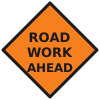
Question 16: B. There is road work ahead, so slow down
Orange signs are for work zones. This one warns of road work ahead, so slow down and stay alert.
Handbook: Chapter: Traffic signs — Work zone signs
Question 17: D. Stop and let them cross
A white cane or guide dog means the person may be blind. Always stop and let them cross; do not honk.
Handbook: Chapter: Right of way — Pedestrians
Question 18: B. For life
Two such judgments within 10 years mean the driver "will have their driving privileges suspended for life."
Handbook: Chapter 5: Points, Suspension, and Insurance Requirements — Habitual Traffic Violators
Question 19: D. The same penalties as a car OWI apply
For a watercraft OWI conviction, "your driving privileges are subject to the same penalties" as for a motor vehicle.
Handbook: Chapter 5: Points, Suspension, and Insurance Requirements — Suspensions
Question 20: B. Look through the gap and pull over
Look through the gap under the hood or out the side window, slow down and pull off the road.
Handbook: Chapter: Emergencies and vehicle equipment — Vehicle failures
Question 21: C. Stop before the sidewalk and yield to people
When leaving an alley or driveway, stop before the sidewalk and yield to people walking on it.
Handbook: Chapter: Right of way — Entering a roadway
Question 22: A. It may not turn off on its own
Many motorcycle turn signals do not turn off on their own, so wait to see the rider actually turn.
Handbook: Chapter: Sharing the road — Motorcycles
Question 23: D. Change lanes away from it, or slow down if you cannot
Drivers who approach an authorized vehicle with amber flashing lights "are required to change lanes away from" it, or slow down if they cannot.
Handbook: Chapter 7: Safe Vehicle Operation — Indiana's Move Over Law
Question 24: A. To speed up to match highway traffic
Use the acceleration lane to get up to the speed of highway traffic so you can merge smoothly.
Handbook: Chapter: Turning, passing and lane use — Highway driving
Question 25: A. 1 year
A motorist who refuses a chemical test "will face a suspension of driving privileges for one year" (1 year).
Handbook: Chapter 5: Points, Suspension, and Insurance Requirements — Suspensions
Question 26: C. Take a break and move your eyes often
Long, dull drives can make you drowsy. Take breaks and keep your eyes moving.
Handbook: Chapter: Safe driving and hazards — Fatigue
Question 27: A. Stay stopped and let it go by
A green light does not let you go when an emergency vehicle with a siren is coming. Stay where you are and let it pass.
Handbook: Chapter: Right of way — Emergency vehicles
Question 28: B. Toward the right edge of your lane
Look toward the right edge of your lane to keep your path in view until the car passes.
Handbook: Chapter: Safe driving and hazards — Night and weather
Question 29: B. Others may not expect it, and it can cause a crash
Changing lanes in an intersection surprises other drivers and people crossing, so it often causes crashes.
Handbook: Chapter: Turning, passing and lane use — Changing lanes
Question 30: D. Move over a lane, or slow down
Every state has a move over law. Move over a lane if you can, or slow down if you cannot.
Handbook: Chapter: Sharing the road — Emergency and work vehicles
Question 31: D. Yield to the oncoming car
A driver turning left must yield to oncoming traffic that is close enough to be a hazard.
Handbook: Chapter: Right of way — Uncontrolled intersections
Question 32: C. In the back seat
Children under 13 are safest in the back seat, away from the front airbags.
Handbook: Chapter: Safe driving and hazards — Seat belts and airbags
Question 33: C. Stop and let them cross before entering
Crosswalks are often placed just before a roundabout entry. Yield to people crossing before you enter.
Handbook: Chapter: Right of way — Roundabouts
Question 34: A. Enough to see its rear tires touch the road
If you can see the rear tires of the car ahead touching the road, you have room to steer around it.
Handbook: Chapter: Speed and following distance — Managing space
Question 35: A. You may be in their blind spot and boxed in
Driving beside other cars can leave you in their blind spot with no room to move if something happens.
Handbook: Chapter: Speed and following distance — Managing space
Question 36: A. Yes, if your driving is impaired
Yes. You can be charged below the limit if alcohol or drugs have impaired your driving.
Handbook: Chapter: Alcohol, drugs and penalties — Legal limits
Question 37: A. The car on your right
When two cars arrive at the same time, the car on the right goes first, no matter which way it is turning.
Handbook: Chapter: Right of way — Stop signs and intersections
Question 38: C. Away from the curb
Facing uphill with a curb, turn the wheels away from the curb so the tire rests against it if the car rolls back.
Handbook: Chapter: Parking and stopping — Parking on hills
Question 39: D. Expect others to make mistakes and be ready
Defensive driving means you expect other drivers to make mistakes and are ready to avoid them.
Handbook: Chapter: Safe driving and hazards — Defensive driving
Question 40: D. Keep a steady gap and watch for brake lights
In heavy traffic keep a steady gap and watch for brake lights ahead so you can slow down smoothly.
Handbook: Chapter: Speed and following distance — Following distance
Question 41: A. Keep well back and report it when safe
Weaving may mean an impaired driver. Keep well back and report it to police when it is safe to do so.
Handbook: Chapter: Alcohol, drugs and penalties — Making safe choices
Question 42: C. More fines and a longer suspension or jail
Driving while suspended usually leads to more fines, a longer suspension, and possibly jail.
Handbook: Chapter: Alcohol, drugs and penalties — Penalties
Question 43: D. Level with the back of your head
Set the head restraint level with the back of your head to protect your neck in a crash.
Handbook: Chapter: Emergencies and vehicle equipment — Vehicle equipment
Question 44: A. Pull over to a safe place first
Pull over to a safe place before using your phone, since calls take your mind off driving.
Handbook: Chapter: Safe driving and hazards — Distracted driving
Question 45: B. Enter it only just before your left turn
Enter a two-way left-turn lane just before you turn left and never use it to pass; how far you may drive in it varies by state.
Handbook: Chapter: Turning, passing and lane use — Lane use
Question 46: A. At least 10 mph lower
Work site speed limits "are always at least 10 miles per hour below" the normal maximum for the area (10 mph).
Handbook: Chapter 7: Safe Vehicle Operation — Speed Limits
Question 47: C. A gap in traffic to merge into
Look for a safe gap in traffic, signal, and match your speed to merge into it.
Handbook: Chapter: Turning, passing and lane use — Highway driving
Question 48: D. Signal, check your blind spot, and yield
Signal, check your mirrors and blind spot, and yield to traffic before pulling out.
Handbook: Chapter: Parking and stopping — Parallel parking
Question 49: D. Do not drive until you know how it affects you
A car counts as heavy machinery. Do not drive until you know how the medicine affects you.
Handbook: Chapter: Alcohol, drugs and penalties — Drugs and medicine
Question 50: A. You go with care; cross traffic stops
Flashing red means the cross street must stop. Your flashing yellow means you may go on with care.
Handbook: Chapter: Right of way — Signals and right of way
Practice test 2 of 10 for the Knowledge exam (learner's permit); traffic signs and traffic maneuvers components (the Indiana BMV): 50 questions, 41 to pass (13 of 16 road signs and 28 of 34 rules of the road) — the commonly reported format; the Indiana BMV does not publish the count. Official pass mark: 80% in each section. Our practice tests are untimed.