Question 1 of 25Road signs
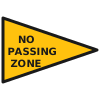
Question 1 of 25Road signs
Question 2 of 25Sharing the road
Question 3 of 25Turning, passing and lanes
Question 4 of 25Parking and stopping (Kansas)
Question 5 of 25Speed and following distance
Question 6 of 25Speed and following distance
Question 7 of 25Sharing the road
Question 8 of 25Sharing the road (Kansas)
Question 9 of 25Alcohol, drugs and penalties
Question 10 of 25Speed and following distance
Question 11 of 25Road signs
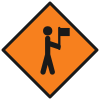
Question 12 of 25Safe driving and hazards
Question 13 of 25Emergencies and equipment (Kansas)
Question 14 of 25Right of way (Kansas)
Question 15 of 25Parking and stopping
Question 16 of 25Speed and following distance
Question 17 of 25Right of way
Question 18 of 25Signals and pavement markings
Question 19 of 25Signals and pavement markings
Question 20 of 25Licensing and insurance (Kansas)
Question 21 of 25Speed and following distance
Question 22 of 25Signals and pavement markings (Kansas)
Question 23 of 25Parking and stopping
Question 24 of 25Sharing the road
Question 25 of 25Road signs
The timer starts when you answer the first question. Keyboard: A–D or 1–4 to answer, N next, P previous.
The correct answer to each question above, why it is right, and where it comes from. Try the test first.
Question 1: C. So a driver about to pass will see it
A driver getting ready to pass looks to the left, so the no-passing zone pennant is placed there where it will be seen.
Handbook: Chapter: Traffic signs — Warning signs
Question 2: B. The full width of a lane
A motorcycle needs the full width of a lane. Never share a lane with one.
Handbook: Chapter: Sharing the road — Motorcycles
Question 3: A. Straight ahead until you start to turn
Keep the wheels straight. If you are hit from behind, you will not be pushed into oncoming traffic.
Handbook: Chapter: Turning, passing and lane use — Turns
Question 4: A. No, never stop or park there
Runaway ramps are only for large vehicles that cannot stop: "Never stop or park in the area of these ramps."
Handbook: SECTION 9- Sharing the Road — Interacting with Commercial Vehicles
Question 5: C. Ease off the gas and get ready to slow
Brake lights far ahead warn of slowing traffic. Ease off the gas early so you can slow smoothly.
Handbook: Chapter: Speed and following distance — Managing space
Question 6: B. Slow down and leave more space
Wet roads give your tires less grip, so slow down and leave more space ahead.
Handbook: Chapter: Speed and following distance — Speed and road conditions
Question 7: A. Wait behind until you can pass safely
Wait behind the cyclist until there is room to pass safely with plenty of space.
Handbook: Chapter: Sharing the road — Bicycles
Question 8: C. Only when you are behind it
"Unlike a school bus, you do not have to stop for a transit bus" that drops off or picks up people, "unless you are behind them."
Handbook: SECTION 9- Sharing the Road — Public Transportation
Question 9: C. Your license can be suspended
Repeated traffic violations can lead to your license being suspended, along with higher insurance costs.
Handbook: Chapter: Alcohol, drugs and penalties — Penalties
Question 10: A. Your side vision narrows
The faster you go, the more your field of view narrows, so you may miss hazards to the side.
Handbook: Chapter: Speed and following distance — Speed and road conditions
Question 11: D. Follow the signals of a worker directing traffic
This sign warns of a flagger ahead. A flagger directs traffic with signals that you must obey.
Handbook: Chapter: Traffic signs — Work zone signs
Question 12: B. You cannot see as far or as clearly
At night you cannot see as far or as clearly, so it is harder to spot hazards in time.
Handbook: Chapter: Safe driving and hazards — Night and weather
Question 13: C. About 200 to 300 feet
"Place emergency flares about 200 to 300 feet behind the vehicle," giving other drivers time to change lanes.
Handbook: SECTION 7- Safe Driving Tips — Communicating
Question 14: B. Church buses and day care buses
You must stop for "a school bus, church bus or day care bus" that is stopped to pick up or let off children.
Handbook: SECTION 2- State/Provincial/Territory Laws and Rules of the Road — Stopping
Question 15: D. Toward the curb
Facing downhill, turn the wheels toward the curb so the car rolls into the curb, not into traffic.
Handbook: Chapter: Parking and stopping — Parking on hills
Question 16: D. Leave more space than usual
Towing adds weight, so it takes longer to stop. Leave more space than usual.
Handbook: Chapter: Speed and following distance — Following distance
Question 17: A. Whenever it helps prevent a crash
Even when you have the right-of-way, yield if it will help prevent a crash.
Handbook: Chapter: Right of way — Right-of-way basics
Question 18: B. Slow down and go on with care
A flashing yellow light is a warning. Slow down and go on with care.
Handbook: Chapter: Traffic signals and pavement markings — Traffic signals
Question 19: D. Not start, but finish if already crossing
A flashing don't walk or raised hand means do not start to cross; those already crossing should finish.
Handbook: Chapter: Traffic signals and pavement markings — Traffic signals
Question 20: B. After age 16, once it has been held for 6 months
Once you are past age 16 and the restricted license "has been held for 6 months," all age-related limits are removed.
Handbook: SECTION 1- The Driver’s License — Types of Driver’s Licenses and Driver’s Permits
Question 21: C. Workers are close to traffic and can be hurt
Workers are only a few feet from traffic, so many states raise fines for speeding in a work zone to keep them safe.
Handbook: Chapter: Speed and following distance — Special speed zones
Question 22: B. Stay in your lane unless a change is needed
A solid white line between lanes means "you must stay within the lane unless a special situation requires" a lane change.
Handbook: SECTION 6- Rules of the Road — Pavement Markings
Question 23: A. A train could hit your car
Never stop or park on railroad tracks. A train cannot stop in time and could hit your car.
Handbook: Chapter: Parking and stopping — Where not to park
Question 24: A. It may roll back when it starts to move
A large truck may roll back a little as it starts on a hill, so leave extra space in front of you.
Handbook: Chapter: Sharing the road — Large trucks and buses
Question 25: D. An overpass or bridge with limited space above
A low clearance sign shows how much space there is under an overpass or bridge, so tall vehicles can avoid it.
Handbook: Chapter: Traffic signs — Warning signs
Practice test 2 of 10 for the Knowledge Test (Class C instruction permit) (Kansas Department of Revenue): 25 questions · 20 of 25 (80%) to pass · 60 minutes.