Question 1 of 40Safe driving and hazards
Practice test 1 of 10 — Kentucky permit test
Practice test 1 questions
Question 2 of 40Alcohol, drugs and penalties
You drank a lot late last night. Could you still be impaired the next morning?
Question 3 of 40Turning, passing and lanes (Kentucky)
May a Kentucky driver cross the center line in a no-passing zone to pass a cyclist?
Question 4 of 40Right of way
Your light turns green, but an ambulance with flashing lights and a siren is coming. What should you do?
Question 5 of 40Sharing the road
How should you pass a person riding a horse?
Question 6 of 40Safe driving and hazards
The back of your car starts to skid. What should you do?
Question 7 of 40Sharing the road
When may a cyclist ride in the middle of a traffic lane?
Question 8 of 40Emergencies and equipment
Your right wheels drift off the edge of the pavement. What should you do?
Question 9 of 40Road signs
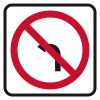
What is not allowed where this sign is posted?
Question 10 of 40Right of way
You are coming up to a roundabout and someone is waiting at the crosswalk before it. What should you do?
Question 11 of 40Turning, passing and lanes
A long line of cars is behind you on a two-lane road. What should you do?
Question 12 of 40Speed and following distance
Compared to dry pavement, stopping on ice takes:
Question 13 of 40Turning, passing and lanes
Where is a U-turn most likely to be unsafe or not allowed?
Question 14 of 40Parking and stopping
Why is it unsafe to stop or park on railroad tracks?
Question 15 of 40Turning, passing and lanes
To make a right turn, where should your car be?
Question 16 of 40Turning, passing and lanes
Why should you avoid changing lanes in an intersection?
Question 17 of 40Sharing the road (Kentucky)
How old must you be to ride an electric low-speed scooter on a Kentucky highway or bike lane?
Question 18 of 40Road signs (Kentucky)
At some Kentucky rail crossings with more than one track, what will a sign show?
Question 19 of 40Turning, passing and lanes
You are waiting to turn left with oncoming traffic. How should you hold your front wheels?
Question 20 of 40Signals and pavement markings
A steady yellow X appears over your lane. What does it mean?
Question 21 of 40Safe driving and hazards
What does it mean to drive defensively?
Question 22 of 40Right of way
You have stopped at a stop line, but your view of the cross street is blocked. What should you do?
Question 23 of 40Right of way
At a four-way stop, who should go first?
Question 24 of 40Turning, passing and lanes (Kentucky)
What does the Kentucky manual say about staying in the left lane on a limited-access highway?
Question 25 of 40Road signs
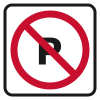
What does this sign mean?
Question 26 of 40Speed and following distance
How does higher speed affect what you can see?
Question 27 of 40Signals and pavement markings (Kentucky)
You enter a Kentucky intersection on a yellow light, and it turns red while you are in it. What does the manual say?
Question 28 of 40Signals and pavement markings
You reach an intersection where the traffic lights are not working at all. In general, what should you do?
Question 29 of 40Road signs
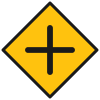
What does this sign tell you is ahead?
Question 30 of 40Signals and pavement markings
White lines between lanes separate:
Question 31 of 40Alcohol, drugs and penalties (Kentucky)
What is the fine range for a first DUI in 10 years in Kentucky, not counting court costs?
Question 32 of 40Speed and following distance (Kentucky)
Per the Kentucky manual, what is the top suggested speed for most cars towing a trailer?
Question 33 of 40Sharing the road
An orange triangle with a red border on the back of a vehicle means:
Question 34 of 40Speed and following distance (Kentucky)
According to the Kentucky manual, what is the least following distance to keep behind the car ahead?
Question 35 of 40Sharing the road
Why should you stay well back from a snowplow?
Question 36 of 40Right of way
You are at a stop sign. A car on the cross street is signaling a turn onto your road but has not slowed down yet. What is safest?
Question 37 of 40Road signs
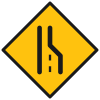
You are in the lane that this sign says will end. What should you do?
Question 38 of 40Right of way (Kentucky)
In Kentucky, how close may you follow a fire truck or other emergency vehicle?
Question 39 of 40Alcohol, drugs and penalties (Kentucky)
For an adult, how long is the license suspension for a first DUI conviction in Kentucky?
Question 40 of 40Safe driving and hazards
Which of these is a cognitive distraction?
1 of 40
Answer each question to see the explanation. Keyboard: A–D or 1–4 to answer, N next, P previous.
Answers and explanations (text version)
The correct answer to each question above, why it is right, and where it comes from. Try the test first.
Question 1: B. Toward the right edge of your lane
Look toward the right edge of your lane to keep your path in view until the car passes.
Handbook: Chapter: Safe driving and hazards — Night and weather
Question 2: A. Yes, alcohol can still be in your blood
Yes. After heavy drinking, alcohol can still be in your blood the next morning, even after sleep.
Handbook: Chapter: Alcohol, drugs and penalties — How alcohol affects you
Question 3: A. Yes, if the left side is clear far enough ahead
Kentucky lets you go left of center to pass a cyclist, "including when there is a no-passing zone," if the way is clear far enough to pass safely.
Handbook: Section Seven: General Driving — Passing
Question 4: A. Stay stopped and let it go by
A green light does not let you go when an emergency vehicle with a siren is coming. Stay where you are and let it pass.
Handbook: Chapter: Right of way — Emergency vehicles
Question 5: B. Slowly, with plenty of room and no horn
Pass a horse slowly and give it plenty of room. Do not honk, as noise can scare it.
Handbook: Chapter: Sharing the road — Slow-moving vehicles
Question 6: A. Ease off the gas and steer where you want to go
In a skid, ease off the gas and steer gently where you want the car to go.
Handbook: Chapter: Safe driving and hazards — Skids and slippery roads
Question 7: C. When the lane is too narrow to share safely
Cyclists may use the middle of a lane when it is too narrow for a car and bike to share it safely.
Handbook: Chapter: Sharing the road — Bicycles
Question 8: C. Ease off the gas and steer back gently
Ease off the gas, then steer back onto the pavement gently once you have slowed down.
Handbook: Chapter: Emergencies and vehicle equipment — Running off the road
Question 9: D. Turning left
This sign bans left turns. You may go straight or turn right if those moves are allowed.
Handbook: Chapter: Traffic signs — Regulatory signs
Question 10: C. Stop and let them cross before entering
Crosswalks are often placed just before a roundabout entry. Yield to people crossing before you enter.
Handbook: Chapter: Right of way — Roundabouts
Question 11: B. Pull over where safe and let them pass
If a long line forms behind you, pull over where it is safe and let them pass.
Handbook: Chapter: Turning, passing and lane use — Lane use
Question 12: A. Much longer
Ice gives your tires very little grip, so stopping takes much longer than on dry pavement.
Handbook: Chapter: Speed and following distance — Speed and road conditions
Question 13: C. Near a curve or hill where others cannot see you
Do not make a U-turn near a curve or hill, where drivers cannot see you in time to stop.
Handbook: Chapter: Turning, passing and lane use — Turns
Question 14: A. A train could hit your car
Never stop or park on railroad tracks. A train cannot stop in time and could hit your car.
Handbook: Chapter: Parking and stopping — Where not to park
Question 15: D. In the right lane, close to the curb
Start a right turn from the right lane, close to the curb, and turn into the right lane of the new road.
Handbook: Chapter: Turning, passing and lane use — Turns
Question 16: B. Others may not expect it, and it can cause a crash
Changing lanes in an intersection surprises other drivers and people crossing, so it often causes crashes.
Handbook: Chapter: Turning, passing and lane use — Changing lanes
Question 17: D. 16 or older
In Kentucky, "a person sixteen (16) years of age or older" may ride an electric low-speed scooter on a highway or bike lane.
Handbook: Section Ten: Sharing the Road — Electric Low-Speed Scooter
Question 18: C. The number of tracks
At Kentucky crossings with more than one track, "the number of tracks will be posted," as more than one train may cross.
Handbook: Section Six: Rules of the Road — Railroad Crossing Warning Signs
Question 19: A. Straight ahead until you start to turn
Keep the wheels straight. If you are hit from behind, you will not be pushed into oncoming traffic.
Handbook: Chapter: Turning, passing and lane use — Turns
Question 20: D. Get ready to leave the lane safely
A steady yellow X means the lane will soon close. Get ready to leave the lane safely.
Handbook: Chapter: Traffic signals and pavement markings — Lane control signals
Question 21: D. Expect others to make mistakes and be ready
Defensive driving means you expect other drivers to make mistakes and are ready to avoid them.
Handbook: Chapter: Safe driving and hazards — Defensive driving
Question 22: D. Edge forward until you can see, then go
After stopping, edge forward slowly until you can see cross traffic, then go only when it is clear.
Handbook: Chapter: Right of way — Stop signs and intersections
Question 23: D. The driver who stopped first
At an all-way stop, the driver who came to a stop first goes first.
Handbook: Chapter: Right of way — Stop signs and intersections
Question 24: D. It is illegal
The left lane is for passing, and in Kentucky "remaining in the left lane on a limited access highway is illegal."
Handbook: Section Seven: General Driving — Use of Lanes
Question 25: D. You may not park here
This is a no parking sign. You may not leave your car parked in the area it covers.
Handbook: Chapter: Traffic signs — Regulatory signs
Question 26: A. Your side vision narrows
The faster you go, the more your field of view narrows, so you may miss hazards to the side.
Handbook: Chapter: Speed and following distance — Speed and road conditions
Question 27: C. You may clear the intersection
The Kentucky manual says "a vehicle may clear an intersection on a red light" if it entered while the light was yellow.
Handbook: Section Six: Rules of the Road — Traffic Signals
Question 28: B. Treat it as an all-way stop
In general, when signals are dark, treat the intersection as an all-way stop and take turns going.
Handbook: Chapter: Traffic signals and pavement markings — Traffic signals
Question 29: B. Another road crosses yours
The cross symbol warns of a crossroad ahead. Watch for traffic coming from both sides.
Handbook: Chapter: Traffic signs — Warning signs
Question 30: B. Lanes of traffic moving the same way
White lane lines separate lanes of traffic moving in the same direction.
Handbook: Chapter: Traffic signals and pavement markings — Pavement markings
Question 31: D. $200 to $500
A first Kentucky DUI in 10 years brings a fine of "not less than $200 nor more than $500 plus court costs."
Handbook: Section Three: Be in Shape to Drive — Alcohol and the Law
Question 32: D. 55 mph
The Kentucky manual says the "maximum recommend speed for most vehicle-trailer combinations is 55 mph."
Handbook: Section Eleven: Special Driving Situations — Safe Trailering
Question 33: B. It is a slow-moving vehicle
An orange triangle with a red border marks a slow-moving vehicle, such as a tractor.
Handbook: Chapter: Sharing the road — Slow-moving vehicles
Question 34: B. 4 seconds
The Kentucky manual says to "keep a minimum following distance of 4 seconds" and gives no other figure for normal driving.
Handbook: Section Eight: Safe Driving Tips — Providing Adequate Following Distance
Question 35: B. It throws snow and may stop suddenly
Snowplows throw snow, move slowly and may stop or turn suddenly, so stay well back.
Handbook: Chapter: Sharing the road — Emergency and work vehicles
Question 36: C. Wait until it clearly starts to turn
A turn signal is not a promise. Wait until the car clearly starts to turn before you pull out in front of it.
Handbook: Chapter: Right of way — Stop signs and intersections
Question 37: C. Signal and merge when there is a safe gap
When your lane ends, signal early and merge into the next lane when there is a safe gap.
Handbook: Chapter: Traffic signs — Warning signs
Question 38: B. No closer than 500 feet
In Kentucky it is "unlawful to follow any emergency vehicle closer than 500 feet."
Handbook: Section Ten: Sharing the Road — Emergency Vehicles
Question 39: A. 4 to 6 months
A first Kentucky DUI conviction brings a 4 to 6 month suspension, with the "license suspended for four (4) to six (6) months."
Handbook: Section Three: Be in Shape to Drive — Alcohol and the Law
Question 40: B. Daydreaming about your plans
A cognitive distraction takes your mind off driving, such as daydreaming, even if your eyes are on the road.
Handbook: Chapter: Safe driving and hazards — Distracted driving
Practice test 1 of 10 for the Written knowledge test (instruction permit) (the Kentucky State Police): 40 questions, 32 to pass — the commonly reported format; the Kentucky State Police does not publish the count. Official pass mark: 80%. Our practice tests are untimed.