Question 1 of 40Turning, passing and lanes
Practice test 2 of 10 — Kentucky permit test
Practice test 2 questions
Question 2 of 40Turning, passing and lanes
How should you signal when leaving a roundabout?
Question 3 of 40Licensing and insurance (Kentucky)
You move to Kentucky with a license from another state. How soon must you get a Kentucky license?
Question 4 of 40Signals and pavement markings
What do two solid yellow lines down the center of the road mean?
Question 5 of 40Safe driving and hazards
Is a hands-free phone call safe while driving?
Question 6 of 40Alcohol, drugs and penalties
What does "implied consent" mean?
Question 7 of 40Safe driving and hazards
Why should you keep your windshield clean?
Question 8 of 40Sharing the road
A vehicle is stopped on the shoulder with flashing emergency lights. What should you do?
Question 9 of 40Road signs
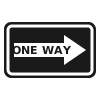
What does this sign tell you about the road?
Question 10 of 40Signals and pavement markings
A wide white line across your lane at an intersection shows:
Question 11 of 40Speed and following distance
Why should you not use cruise control on wet or icy roads?
Question 12 of 40Right of way
Your road ends at a T-intersection with no signs. A car is coming on the through road. Who has the right-of-way?
Question 13 of 40Right of way
A bus has stopped at a crosswalk to let people cross. You are in the next lane. What should you do?
Question 14 of 40Turning, passing and lanes
Where should you not pass on a two-lane road?
Question 15 of 40Right of way
A car is already in the intersection when you arrive. What should you do?
Question 16 of 40Right of way
Your light turns green, but people are still in the crosswalk. What should you do?
Question 17 of 40Emergencies and equipment (Kentucky)
After a Kentucky crash with no injuries, what does state law say to do with the damaged cars?
Question 18 of 40Right of way (Kentucky)
At a Kentucky stop light, how close to the crosswalk should you stop so a blind walker can hear your car?
Question 19 of 40Speed and following distance
What does a minimum speed limit on a highway help prevent?
Question 20 of 40Road signs
A school zone sign has a plaque that says "WHEN FLASHING". What does it mean?
Question 21 of 40Alcohol, drugs and penalties
Marijuana is legal for adults in some states. Is it legal to drive while impaired by it?
Question 22 of 40Signals and pavement markings
A solid white line runs along the right edge of the road. What does it mark?
Question 23 of 40Signals and pavement markings
What does a green arrow pointing left mean?
Question 24 of 40Licensing and insurance (Kentucky)
A Kentucky permit holder under age 21 must keep the permit at least how long before the road test?
Question 25 of 40Road signs
A sign shaped like a triangle with one point facing down means:
Question 26 of 40Right of way
You are in the middle of an intersection when an ambulance with a siren comes up behind you. What should you do?
Question 27 of 40Speed and following distance (Kentucky)
Where no limit is posted, what is the speed limit on Kentucky interstates and parkways?
Question 28 of 40Road signs
Warning signs are usually placed:
Question 29 of 40Road signs
Yellow signs with black symbols are used to:
Question 30 of 40Signals and pavement markings
What must you do at a steady red traffic light?
Question 31 of 40Safe driving and hazards (Kentucky)
On a long trip, how often does the Kentucky manual suggest you stop to rest?
Question 32 of 40Alcohol, drugs and penalties (Kentucky)
A Kentucky driver age 18 or older may face a suspension hearing after reaching how many points?
Question 33 of 40Safe driving and hazards
When should you turn on your headlights?
Question 34 of 40Parking and stopping (Kentucky)
Kentucky law bars leaving a child of what age in a car where it creates a grave risk of death?
Question 35 of 40Sharing the road
Why should you look twice for motorcycles at intersections?
Question 36 of 40Signals and pavement markings
A bicycle symbol with two V-shaped chevrons above it is painted in the middle of a traffic lane. What does it tell you?
Question 37 of 40Road signs
Why do stop and yield signs have shapes no other sign uses?
Question 38 of 40Speed and following distance (Kentucky)
Where no limit is posted, what is the speed limit on Kentucky state highways that are not interstates or parkways?
Question 39 of 40Emergencies and equipment (Kentucky)
According to the Kentucky manual, may a driver use hand signals instead of the car's signal lights?
Question 40 of 40Safe driving and hazards
Another driver makes a rude gesture at you. What should you do?
1 of 40
Answer each question to see the explanation. Keyboard: A–D or 1–4 to answer, N next, P previous.
Answers and explanations (text version)
The correct answer to each question above, why it is right, and where it comes from. Try the test first.
Question 1: B. From the far left lane into the far left lane
Turning left from one one-way street onto another, start in the far left lane and end in the far left lane.
Handbook: Chapter: Turning, passing and lane use — Turns
Question 2: B. Signal right before your exit
Signal right just before your exit so others know you are leaving the roundabout.
Handbook: Chapter: Turning, passing and lane use — Roundabouts
Question 3: A. Within 30 days
People moving to Kentucky must get a Kentucky license "within 30 days of establishing residence."
Handbook: Section One: The Driver’s License — Transferring From Another State
Question 4: D. No passing from either side
Two solid yellow lines down the center of the road mean no passing from either side.
Handbook: Chapter: Traffic signals and pavement markings — Pavement markings
Question 5: A. No, it still takes your mind off driving
A hands-free call still takes your mind off driving, so it is not fully safe.
Handbook: Chapter: Safe driving and hazards — Distracted driving
Question 6: C. By driving, you agree to alcohol or drug tests
Implied consent means that by driving, you have agreed to a test for alcohol or drugs if lawfully asked.
Handbook: Chapter: Alcohol, drugs and penalties — Testing and implied consent
Question 7: A. Dirt and glare make it harder to see
A dirty windshield adds glare and makes it harder to see, most of all at night.
Handbook: Chapter: Safe driving and hazards — Night and weather
Question 8: D. Move over a lane, or slow down
Every state has a move over law. Move over a lane if you can, or slow down if you cannot.
Handbook: Chapter: Sharing the road — Emergency and work vehicles
Question 9: C. All traffic moves the way the arrow points
A one way sign means all traffic on that road moves only in the direction the arrow shows.
Handbook: Chapter: Traffic signs — Regulatory signs
Question 10: D. Where to stop for a sign or signal
A stop line shows where you must stop for a stop sign or a red light.
Handbook: Chapter: Traffic signals and pavement markings — Pavement markings
Question 11: C. You may lose control if the tires slip
On wet or icy roads cruise control may keep powering the wheels when they slip, which can make you lose control.
Handbook: Chapter: Speed and following distance — Speed and road conditions
Question 12: D. The car on the through road
At a T-intersection with no signs, traffic on the ending road yields to traffic on the through road.
Handbook: Chapter: Right of way — Uncontrolled intersections
Question 13: A. Stop, and do not pass the bus
When a vehicle has stopped at a crosswalk for people crossing, stop too and do not pass it; it can hide people in front of it.
Handbook: Chapter: Right of way — Pedestrians
Question 14: D. Near a hill, curve, or intersection
Do not pass near a hill, curve, intersection or rail crossing, where you cannot see oncoming traffic.
Handbook: Chapter: Turning, passing and lane use — Passing
Question 15: D. Let it go through first
Yield to vehicles already in the intersection. Wait for them to clear it before you go.
Handbook: Chapter: Right of way — Stop signs and intersections
Question 16: A. Wait until they have crossed
People who are still in the crosswalk when your light turns green have the right-of-way. Wait for them to cross.
Handbook: Chapter: Right of way — Pedestrians
Question 17: A. Move them to the shoulder
In a Kentucky non-injury crash, the law says to "move the damaged vehicles to the shoulder of the roadway."
Handbook: Section Nine: Emergency Situations and Avoiding Crashes — Collisions
Question 18: D. No more than 5 feet away
Stop within 5 feet, as the Kentucky manual says not to stop "more than five (5) feet from the crosswalk."
Handbook: Section Ten: Sharing the Road — Blind Pedestrian Right-of-Way
Question 19: C. Crashes caused by big speed gaps
A minimum speed limit keeps very slow cars off the highway, since big speed gaps lead to crashes.
Handbook: Chapter: Speed and following distance — Special speed zones
Question 20: C. The lower limit applies while lights flash
With a "when flashing" plaque, the lower school speed limit applies while the yellow lights are flashing.
Handbook: Chapter: Traffic signs — Regulatory signs
Question 21: D. No, impaired driving is illegal everywhere
Even where marijuana is legal, driving while impaired by it is illegal everywhere.
Handbook: Chapter: Alcohol, drugs and penalties — Drugs and medicine
Question 22: A. The edge of the road
A solid white edge line marks the right edge of the road and helps you stay on it at night and in fog.
Handbook: Chapter: Traffic signals and pavement markings — Pavement markings
Question 23: B. You may turn left; oncoming cars must stop
A green arrow gives you a protected turn in that direction. Oncoming traffic should be stopped, but still watch for people in the crosswalk.
Handbook: Chapter: Traffic signals and pavement markings — Traffic signals
Question 24: B. 180 days
Kentucky permit holders ages 15 to 20 "must hold the driving permit for a minimum of 180 days."
Handbook: Section One: The Driver’s License — Applicants Under Age 18 (Graduated Driver License Program)
Question 25: C. Yield
The downward-pointing triangle is used only for the yield sign.
Handbook: Chapter: Traffic signs — Sign shapes and colors
Question 26: C. Clear the intersection, then pull over
Do not stop in an intersection. Clear it first, then pull to the right and stop.
Handbook: Chapter: Right of way — Emergency vehicles
Question 27: B. 65 mph
Unless posted otherwise, 65 mph is "the speed limit on interstate highways and parkways" in Kentucky.
Handbook: Section Eight: Safe Driving Tips — Kentucky Speed Limits
Question 28: A. Ahead of the hazard, to give you time
Warning signs are placed ahead of the hazard so you have time to see it and slow down.
Handbook: Chapter: Traffic signs — Warning signs
Question 29: B. Warn you about the road ahead
Yellow is the color of general warning signs. They tell you about curves, crossings and other hazards ahead.
Handbook: Chapter: Traffic signs — Sign shapes and colors
Question 30: D. Stop and wait behind the stop line
A steady red light means stop. Wait behind the stop line or crosswalk until you may legally go.
Handbook: Chapter: Traffic signals and pavement markings — Traffic signals
Question 31: D. About every 100 miles or 2 hours
On long trips, the Kentucky manual says to plan to "stop about every 100 miles or 2 hours."
Handbook: Section Three: Be in Shape to Drive — Fatigue
Question 32: B. 12 points
Kentucky may suspend an adult driver at "12 points (7 points if under age eighteen) within a two-year period."
Handbook: Section One: The Driver’s License — The Kentucky Point System
Question 33: B. Any time it is hard to see
Turn on your headlights any time it is hard to see, such as at dusk, in rain or in fog.
Handbook: Chapter: Safe driving and hazards — Night and weather
Question 34: C. Under 8
In Kentucky it is illegal "to leave a child under the age of eight (8) years" in a car in such a way, so never leave a child under 8 there.
Handbook: Section Four: Before You Drive — Unattended Children
Question 35: D. They are small and hard to see
Motorcycles are small and easy to miss, so look twice before turning, most of all when turning left.
Handbook: Chapter: Sharing the road — Motorcycles
Question 36: B. Bikes may use the full lane, so expect them in it
This shared-lane marking means bikes may use the full lane, so expect cyclists in it and pass only when safe.
Handbook: Chapter: Traffic signals and pavement markings — Pavement markings
Question 37: A. So drivers can tell them apart even from behind
Their unique shapes let drivers tell what they are even when the front is covered by snow or seen from behind.
Handbook: Chapter: Traffic signs — Sign shapes and colors
Question 38: C. 55 mph
Unless posted otherwise, 55 mph "is the speed limit on all other state highways" in Kentucky.
Handbook: Section Eight: Safe Driving Tips — Kentucky Speed Limits
Question 39: D. No, the car must have mechanical signals
Under Signaling Your Movements, the Kentucky manual says "your vehicle must have mechanical signals" and "hand signals cannot be used."
Handbook: Section Eight: Safe Driving Tips — Signaling Your Movements
Question 40: C. Stay calm and let it go
Do not respond to an angry driver. Stay calm, avoid eye contact, and give them room.
Handbook: Chapter: Safe driving and hazards — Road rage
Practice test 2 of 10 for the Written knowledge test (instruction permit) (the Kentucky State Police): 40 questions, 32 to pass — the commonly reported format; the Kentucky State Police does not publish the count. Official pass mark: 80%. Our practice tests are untimed.