Question 1 of 30Emergencies and equipment
Practice test 2 of 10 — South Carolina permit test
Practice test 2 questions
Question 2 of 30Licensing and insurance (South Carolina)
A South Carolina permit holder is 17 or younger. How long must the permit be held before applying for a license?
Question 3 of 30Road signs
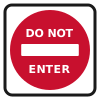
Where are you most likely to see this sign?
Question 4 of 30Right of way
You hear a siren and see a fire truck with flashing lights behind you. What should you do?
Question 5 of 30Signals and pavement markings
Arrows painted in your lane show:
Question 6 of 30Emergencies and equipment
How should you set your head restraint?
Question 7 of 30Road signs

A crossing has only this sign, with no lights or gates. What should you do?
Question 8 of 30Turning, passing and lanes
Where should you slow down when leaving a highway?
Question 9 of 30Licensing and insurance (South Carolina)
What is the youngest age at which you can get a South Carolina beginner’s permit?
Question 10 of 30Turning, passing and lanes
On a highway with several lanes, what is the left lane mainly for?
Question 11 of 30Right of way (South Carolina)
In South Carolina, a person with a white cane or a guide dog is crossing the street. What must you do?
Question 12 of 30Turning, passing and lanes
You turn left from a two-way street onto another two-way street. Which lane should you end in?
Question 13 of 30Road signs
A white sign says "PASS WITH CARE". What does it mean?
Question 14 of 30Road signs
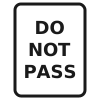
What does this sign mean?
Question 15 of 30Right of way
You are turning left into a driveway across the oncoming lane. Who must you yield to?
Question 16 of 30Road signs
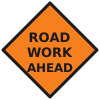
What does this orange sign tell you?
Question 17 of 30Right of way (South Carolina)
At a South Carolina school crossing, a traffic patrol signals you. What must you do?
Question 18 of 30Road signs
A sign says "DEAD END" or "NO OUTLET". What does it tell you?
Question 19 of 30Licensing and insurance (South Carolina)
Under standard time (not daylight saving time), until when may a South Carolina special restricted license holder drive alone?
Question 20 of 30Safe driving and hazards
The back of your car starts to skid. What should you do?
Question 21 of 30Parking and stopping
Your car is parked on a downhill slope beside a curb. How should the front wheels point?
Question 22 of 30Safe driving and hazards
Why is driving at night riskier than in the day?
Question 23 of 30Safe driving and hazards
It starts to rain during the day. What should you do with your headlights?
Question 24 of 30Safe driving and hazards (South Carolina)
South Carolina has a primary safety belt law. What does that let an officer do?
Question 25 of 30Right of way
When must you yield the right-of-way?
Question 26 of 30Emergencies and equipment
How should you brake hard in a car with anti-lock brakes?
Question 27 of 30Alcohol, drugs and penalties
Can you be charged with impaired driving below the legal blood alcohol limit?
Question 28 of 30Speed and following distance (South Carolina)
The South Carolina manual gives the average perception time for an alert driver. What is it?
Question 29 of 30Parking and stopping (South Carolina)
A South Carolina police officer stops you at night. What should you turn on once you stop?
Question 30 of 30Right of way
You are at a crosswalk and a child runs out after a ball. What should you do?
1 of 30
Answer each question to see the explanation. Keyboard: A–D or 1–4 to answer, N next, P previous.
Answers and explanations (text version)
The correct answer to each question above, why it is right, and where it comes from. Try the test first.
Question 1: B. Hold the wheel firmly and ease off the gas
Hold the wheel firmly, ease off the gas and let the car slow down before you brake gently.
Handbook: Chapter: Emergencies and vehicle equipment — Tire failure
Question 2: B. At least 180 days
Hold your beginner’s permit "for at least 180 days, if you are 17 years old and under"; you may apply on the 181st day.
Handbook: Section 1: The Driver’s License — Beginner’s Permit
Question 3: C. At the end of a one-way road or exit ramp
Do not enter signs face drivers at the wrong end of a one-way road or a highway exit ramp, so no one drives in against traffic.
Handbook: Chapter: Traffic signs — Regulatory signs
Question 4: C. Pull to the right edge of the road and stop
For an emergency vehicle using its siren and lights, pull to the right edge of the road and stop until it passes.
Handbook: Chapter: Right of way — Emergency vehicles
Question 5: C. Which way traffic in that lane may go
Lane arrows show which way traffic in that lane may go, such as straight or left only.
Handbook: Chapter: Traffic signals and pavement markings — Pavement markings
Question 6: D. Level with the back of your head
Set the head restraint level with the back of your head to protect your neck in a crash.
Handbook: Chapter: Emergencies and vehicle equipment — Vehicle equipment
Question 7: D. Look both ways and stop if a train is near
Treat a crossbuck like a yield sign. Slow down, look and listen, and stop if a train is near.
Handbook: Chapter: Traffic signs — Regulatory signs
Question 8: A. In the exit lane, after leaving the main lanes
Keep your speed in the main lanes and slow down once you are in the exit lane.
Handbook: Chapter: Turning, passing and lane use — Highway driving
Question 9: C. 15
For a beginner’s permit, "You must be at least 15 years old" and pass the vision and knowledge tests.
Handbook: Section 1: The Driver’s License — Beginner’s Permit
Question 10: D. Passing
Keep right except to pass. The left lane is mainly for passing.
Handbook: Chapter: Turning, passing and lane use — Lane use
Question 11: B. Come to a complete stop
When a pedestrian is crossing "guided by a dog or carrying a white cane, you must come to a complete stop."
Handbook: Section 10: Sharing the Road — Pedestrians
Question 12: C. The lane just right of the center line
When turning left onto a two-way street, finish in the lane just to the right of the center line.
Handbook: Chapter: Turning, passing and lane use — Turns
Question 13: A. The no-passing zone has ended
A pass with care sign marks the end of a no-passing zone. You may pass again, but only when it is safe.
Handbook: Chapter: Traffic signs — Regulatory signs
Question 14: A. You may not pass other vehicles here
This sign means do not pass. You must not pass other vehicles on this part of the road.
Handbook: Chapter: Traffic signs — Regulatory signs
Question 15: C. Oncoming traffic and people on the sidewalk
When you turn left across traffic into a driveway, yield to oncoming traffic and to people on the sidewalk you will cross.
Handbook: Chapter: Right of way — Turning at intersections
Question 16: B. There is road work ahead, so slow down
Orange signs are for work zones. This one warns of road work ahead, so slow down and stay alert.
Handbook: Chapter: Traffic signs — Work zone signs
Question 17: A. Stop and yield
At a school crossing "where there is traffic patrol, stop and yield if you are signaled to do so."
Handbook: Section 10: Sharing the Road — Pedestrians
Question 18: D. The road does not connect to another road
A dead end or no outlet sign means the road does not connect to another road, so you will have to turn around.
Handbook: Chapter: Traffic signs — Warning signs
Question 19: B. 6 in the evening
Alone, you may drive from 6 in the morning to 6 in the evening, or to 8 in the evening "during daylight savings time."
Handbook: Section 1: The Driver’s License — Graduated Driver’s License Program
Question 20: A. Ease off the gas and steer where you want to go
In a skid, ease off the gas and steer gently where you want the car to go.
Handbook: Chapter: Safe driving and hazards — Skids and slippery roads
Question 21: D. Toward the curb
Facing downhill, turn the wheels toward the curb so the car rolls into the curb, not into traffic.
Handbook: Chapter: Parking and stopping — Parking on hills
Question 22: B. You cannot see as far or as clearly
At night you cannot see as far or as clearly, so it is harder to spot hazards in time.
Handbook: Chapter: Safe driving and hazards — Night and weather
Question 23: D. Turn them on so others can see you
Turn on your headlights in rain so other drivers can see you; many states require it.
Handbook: Chapter: Safe driving and hazards — Night and weather
Question 24: A. Stop a driver just for an unbuckled person
Under the primary law, an officer may stop a driver with a clear view of a driver or occupant "not wearing a safety belt."
Handbook: Section 4: Before You Drive — Using Safety Belts
Question 25: A. Whenever it helps prevent a crash
Even when you have the right-of-way, yield if it will help prevent a crash.
Handbook: Chapter: Right of way — Right-of-way basics
Question 26: D. Press firmly and hold steady pressure
With anti-lock brakes, press firmly and hold. The system pumps the brakes for you, so do not pump them.
Handbook: Chapter: Emergencies and vehicle equipment — Brakes
Question 27: A. Yes, if your driving is impaired
Yes. You can be charged below the limit if alcohol or drugs have impaired your driving.
Handbook: Chapter: Alcohol, drugs and penalties — Legal limits
Question 28: A. ¾ second to 1 second
"The average perception time for an alert driver is ¾ second to 1 second."
Handbook: Section 8: Safe Driving Tips — Stopping Distance
Question 29: D. Your interior lights
At night, "turn on your interior lights as soon as you stop to help the officer see inside your vehicle."
Handbook: Section 10: Sharing the Road — What to Do and Expect When Stopped by Law Enforcement
Question 30: C. Stop and expect more children to follow
Stop for the child and expect another child to follow the ball into the road.
Handbook: Chapter: Right of way — Pedestrians
Practice test 2 of 10 for the Knowledge test (beginner's permit) (SCDMV): 30 questions, 24 to pass — the commonly reported format; SCDMV does not publish the count or a pass mark. Our practice tests are untimed.