Question 1 of 30Sharing the road
Practice test 2 of 10 — Tennessee permit test
Practice test 2 questions
Question 2 of 30Right of way
At a four-way stop, you and an oncoming car stop at the same time. You want to turn left; they are going straight. Who goes first?
Question 3 of 30Licensing and insurance (Tennessee)
A Tennessee teen with an Intermediate Restricted License contributes to a crash. What happens?
Question 4 of 30Sharing the road (Tennessee)
On a four-lane Tennessee highway, a utility truck is stopped on the right shoulder with lights flashing. What should you do?
Question 5 of 30Parking and stopping
Why is it unsafe to stop or park on railroad tracks?
Question 6 of 30Alcohol, drugs and penalties (Tennessee)
Under Tennessee implied consent, what will likely happen if you are arrested and refuse the test?
Question 7 of 30Safe driving and hazards
When should you use your horn?
Question 8 of 30Road signs
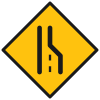
What does this sign mean?
Question 9 of 30Road signs
A sign says "SOFT SHOULDER". What should you do?
Question 10 of 30Safe driving and hazards
A deer suddenly jumps onto the road in front of you. What is usually safest?
Question 11 of 30Turning, passing and lanes (Tennessee)
How far before a turn must a Tennessee driver start to signal?
Question 12 of 30Road signs
A stop sign has a small plaque below it that says "ALL WAY". What does this mean?
Question 13 of 30Parking and stopping
In general, may you park on a bridge or in a tunnel?
Question 14 of 30Right of way
You are coming up to a roundabout and someone is waiting at the crosswalk before it. What should you do?
Question 15 of 30Safe driving and hazards
What is an "escape route" when driving?
Question 16 of 30Emergencies and equipment
When should you use your hazard warning lights?
Question 17 of 30Right of way
A person is walking across the street in a crosswalk ahead of you. What must you do?
Question 18 of 30Safe driving and hazards
Where is ice most likely to form first?
Question 19 of 30Right of way (Tennessee)
A blind person with a white cane is crossing ahead of you in Tennessee. What must you do?
Question 20 of 30Speed and following distance
Why is following too closely dangerous?
Question 21 of 30Road signs
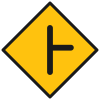
What should you expect after you pass this sign?
Question 22 of 30Right of way
You are turning right on red. Who must you yield to?
Question 23 of 30Sharing the road
Why should you look twice for motorcycles at intersections?
Question 24 of 30Alcohol, drugs and penalties
Your friend has been drinking and wants to drive you home. What should you do?
Question 25 of 30Speed and following distance (Tennessee)
In Tennessee, what is the fine for breaking the posted speed limit in an active work zone?
Question 26 of 30Road signs (Tennessee)
The Tennessee manual says a turn sign, not a curve sign, marks a bend with what advised speed?
Question 27 of 30Turning, passing and lanes
On a highway with several lanes, what is the left lane mainly for?
Question 28 of 30Signals and pavement markings
A traffic light shows a steady red light and a green arrow pointing right. What may you do?
Question 29 of 30Emergencies and equipment
You hit a parked car and cannot find the owner. What should you do?
Question 30 of 30Emergencies and equipment (Tennessee)
You were in a reportable crash in Tennessee. How long do you have to file the Owner/Driver Report?
1 of 30
The timer starts when you answer the first question. Keyboard: A–D or 1–4 to answer, N next, P previous.
Answers and explanations (text version)
The correct answer to each question above, why it is right, and where it comes from. Try the test first.
Question 1: D. To avoid hazards like potholes or gravel
Potholes, gravel and wet patches are more dangerous on a motorcycle, so riders may move to avoid them.
Handbook: Chapter: Sharing the road — Motorcycles
Question 2: B. The car going straight
A driver turning left yields to an oncoming car going straight, so let it go first.
Handbook: Chapter: Right of way — Stop signs and intersections
Question 3: B. Ninety days are added before the next level
Contributing to a crash adds 90 days to the one-year minimum before a Tennessee teen can get the Intermediate Unrestricted License.
Handbook: Section A, Chapter 3: Intermediate Licenses for Drivers Under 18 — Teen Driver FAQs
Question 4: A. Move to a lane not next to it, if safe
Tennessee's Move Over Law covers utility vehicles: change to a lane not next to the stopped vehicle, or slow down if you cannot.
Handbook: Section B, Chapter 5: Interstate Driving — Move Over Law
Question 5: A. A train could hit your car
Never stop or park on railroad tracks. A train cannot stop in time and could hit your car.
Handbook: Chapter: Parking and stopping — Where not to park
Question 6: D. A 12-month license suspension
If you are placed under arrest and refuse the test, the court will likely suspend your driving privileges for 12 months.
Handbook: Section B, Chapter 7: Alcohol, Other Drugs and Driving — Implied Consent Law
Question 7: D. To warn others of danger
Use your horn to warn other people of danger, not to show anger.
Handbook: Chapter: Safe driving and hazards — Defensive driving
Question 8: D. The right lane ends ahead
The right edge line bends in toward the center, which means the right lane ends ahead and drivers in it must move left.
Handbook: Chapter: Traffic signs — Warning signs
Question 9: A. Avoid driving on the edge of the road
A soft shoulder sign means the edge of the road is loose or soft. Avoid driving onto the shoulder.
Handbook: Chapter: Traffic signs — Warning signs
Question 10: C. Brake firmly and stay in your lane
Brake firmly and stay in your lane. Swerving can send you into other traffic or off the road.
Handbook: Chapter: Safe driving and hazards — Animals
Question 11: A. At least 50 feet
In Tennessee, turn on your signal at least 50 feet before you turn or change lanes.
Handbook: Section B, Chapter 4: Rules of the Road — Signaling a Turn
Question 12: A. Traffic from every direction must stop
An all-way plaque means traffic from every direction must stop at the intersection.
Handbook: Chapter: Traffic signs — Regulatory signs
Question 13: A. No, unless signs say you may
In general, parking on a bridge or in a tunnel is not allowed unless signs say you may.
Handbook: Chapter: Parking and stopping — Where not to park
Question 14: C. Stop and let them cross before entering
Crosswalks are often placed just before a roundabout entry. Yield to people crossing before you enter.
Handbook: Chapter: Right of way — Roundabouts
Question 15: A. Open space you can steer into
An escape route is open space you can steer into if you suddenly need to avoid a crash.
Handbook: Chapter: Safe driving and hazards — Defensive driving
Question 16: B. When your stopped car could be a hazard
Use hazard lights when your car is stopped or very slow and could be a hazard to others.
Handbook: Chapter: Emergencies and vehicle equipment — Breakdowns
Question 17: A. Stop and let the person cross
Pedestrians in a crosswalk have the right-of-way. Stop and let them finish crossing.
Handbook: Chapter: Right of way — Pedestrians
Question 18: C. On bridges and overpasses
Bridges and overpasses lose heat from above and below, so ice forms on them first.
Handbook: Chapter: Safe driving and hazards — Skids and slippery roads
Question 19: C. Stop at least 10 feet away until they are off the road
Tennessee drivers must stop at least 10 feet away until a blind pedestrian is off the roadway, and must not use the horn.
Handbook: Section B, Chapter 4: Rules of the Road — The Right-Of-Way Procedures
Question 20: B. You may not be able to stop in time
Following too closely leaves too little time to react and stop if the car ahead stops suddenly.
Handbook: Chapter: Speed and following distance — Following distance
Question 21: A. Cars may enter from a road on the right
This side road sign warns that a road joins from the right, so cars may enter your road.
Handbook: Chapter: Traffic signs — Warning signs
Question 22: B. People crossing and cross traffic on green
When turning right on red, yield to people in the crosswalk and to cross traffic that has a green light.
Handbook: Chapter: Right of way — Turning at intersections
Question 23: D. They are small and hard to see
Motorcycles are small and easy to miss, so look twice before turning, most of all when turning left.
Handbook: Chapter: Sharing the road — Motorcycles
Question 24: A. Find another way home, like a sober driver
Never ride with a driver who has been drinking. Find a sober driver or another safe way home.
Handbook: Chapter: Alcohol, drugs and penalties — Making safe choices
Question 25: C. $250 to $500
Tennessee law sets a minimum fine of $250 and a maximum of $500 for breaking the posted limit in an active work zone.
Handbook: Section B, Chapter 4: Rules of the Road — Tennessee Speed Laws
Question 26: A. 30 mph or less
A turn sign marks turns with a recommended speed of 30 mph or less, while curve signs cover speeds from 30 to 55 mph.
Handbook: Section B, Chapter 3: Traffic Signs and Signals — Warning Signs - Diamond Shape (Yellow)
Question 27: D. Passing
Keep right except to pass. The left lane is mainly for passing.
Handbook: Chapter: Turning, passing and lane use — Lane use
Question 28: A. Turn right with care, yielding to people crossing
A green arrow lets you turn right even while the red light is on, but you must still yield to people crossing and cars already in the intersection.
Handbook: Chapter: Traffic signals and pavement markings — Traffic signals
Question 29: A. Leave a note with your contact details
Leave a note with your name and contact details where the owner will find it, and report it as your state requires.
Handbook: Chapter: Emergencies and vehicle equipment — Crashes
Question 30: C. 20 days
The owner or driver must file an Owner/Driver Report with the Department of Safety within 20 days, no matter who was at fault.
Handbook: Section B, Chapter 8: Driving Responsibility — Reporting Crashes
Practice test 2 of 10 for the Driver License Knowledge Test (Class PD learner permit) (TDOSHS): 30 questions · 24 of 30 (80%) to pass · 60 minutes.