Question 1 of 30Road signs
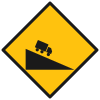
Question 1 of 30Road signs
Question 2 of 30Turning, passing and lanes
Question 3 of 30Alcohol, drugs and penalties
Question 4 of 30Turning, passing and lanes
Question 5 of 30Right of way
Question 6 of 30Safe driving and hazards (Texas)
Question 7 of 30Road signs
Question 8 of 30Alcohol, drugs and penalties
Question 9 of 30Licensing and insurance (Texas)
Question 10 of 30Signals and pavement markings
Question 11 of 30Right of way
Question 12 of 30Sharing the road
Question 13 of 30Right of way (Texas)
Question 14 of 30Signals and pavement markings
Question 15 of 30Turning, passing and lanes
Question 16 of 30Emergencies and equipment
Question 17 of 30Turning, passing and lanes
Question 18 of 30Right of way
Question 19 of 30Alcohol, drugs and penalties (Texas)
Question 20 of 30Speed and following distance
Question 21 of 30Turning, passing and lanes
Question 22 of 30Parking and stopping
Question 23 of 30Safe driving and hazards (Texas)
Question 24 of 30Parking and stopping
Question 25 of 30Right of way
Question 26 of 30Speed and following distance
Question 27 of 30Right of way
Question 28 of 30Speed and following distance (Texas)
Question 29 of 30Licensing and insurance (Texas)
Question 30 of 30Emergencies and equipment (Texas)
Answer each question to see the explanation. Keyboard: A–D or 1–4 to answer, N next, P previous.
The correct answer to each question above, why it is right, and where it comes from. Try the test first.
Question 1: D. Shift to a lower gear and keep your speed down
A lower gear lets the engine help slow the car, so your brakes do not overheat on a long steep grade.
Handbook: Chapter: Traffic signs — Warning signs
Question 2: B. You are slowing or stopping
A left arm bent downward is the hand signal for slowing or stopping.
Handbook: Chapter: Turning, passing and lane use — Signaling
Question 3: D. Read the label and ask if it affects driving
Many medicines can make you drowsy. Read the label and ask your doctor or pharmacist if it affects driving.
Handbook: Chapter: Alcohol, drugs and penalties — Drugs and medicine
Question 4: B. Others may not expect it, and it can cause a crash
Changing lanes in an intersection surprises other drivers and people crossing, so it often causes crashes.
Handbook: Chapter: Turning, passing and lane use — Changing lanes
Question 5: D. Stay right and do not speed up
When you are being passed, keep to the right and hold or ease your speed so the other driver can finish passing safely.
Handbook: Chapter: Right of way — Right-of-way basics
Question 6: D. No, it is against the law
Texas law bans reading, writing or sending messages on a phone or other wireless device while driving.
Handbook: Chapter 9: Some Special Driving Situations — Texting While Driving
Question 7: B. You have left the work zone
The end road work sign tells you that you have left the work zone and normal rules apply again.
Handbook: Chapter: Traffic signs — Work zone signs
Question 8: C. It is as illegal as driving drunk
Driving under the influence of drugs is treated as seriously as driving under the influence of alcohol.
Handbook: Chapter: Alcohol, drugs and penalties — Drugs and medicine
Question 9: B. No, except in an emergency
Drivers under 18 may not use a wireless device, even hands-free, except in an emergency.
Handbook: Chapter 1: Your License to Drive — Graduated Driver License (GDL)
Question 10: D. Stop and wait behind the stop line
A steady red light means stop. Wait behind the stop line or crosswalk until you may legally go.
Handbook: Chapter: Traffic signals and pavement markings — Traffic signals
Question 11: D. Let it go through first
Yield to vehicles already in the intersection. Wait for them to clear it before you go.
Handbook: Chapter: Right of way — Stop signs and intersections
Question 12: A. At dusk, at night, and in bad weather
Cyclists are small and easy to miss at dusk, at night and in bad weather, so look harder for them then.
Handbook: Chapter: Sharing the road — Bicycles
Question 13: B. Stop, even though you face the bus
In Texas you must stop for a school bus with alternately flashing red lights when you approach from either direction.
Handbook: Chapter 4: Right-of-Way — Yield Right-of-Way to School Buses
Question 14: D. The left edge of the road
On a divided highway or one-way road, a solid yellow line marks the left edge of the road.
Handbook: Chapter: Traffic signals and pavement markings — Pavement markings
Question 15: C. Stay in your own lane through the turn
With two turn lanes, stay in your lane through the turn and end up in the matching lane.
Handbook: Chapter: Turning, passing and lane use — Turns
Question 16: B. Hold the wheel firmly and ease off the gas
Hold the wheel firmly, ease off the gas and let the car slow down before you brake gently.
Handbook: Chapter: Emergencies and vehicle equipment — Tire failure
Question 17: C. Well before the intersection
Move into the correct lane well before the intersection so you do not swerve at the last moment.
Handbook: Chapter: Turning, passing and lane use — Turns
Question 18: C. Look for other traffic, then go
A wave is not a promise that the way is clear. Look for other traffic and people before you go.
Handbook: Chapter: Right of way — Stop signs and intersections
Question 19: D. 180 days
A minor who refuses a specimen has their license suspended for 180 days on a first offense, and 2 years after that.
Handbook: Chapter 10: Alcohol and Drug Impact on the Driving Ability — Implied Consent Laws for Minors
Question 20: D. Open space around your car on all sides
A space cushion is room around your car on all sides so you have time and space to react.
Handbook: Chapter: Speed and following distance — Managing space
Question 21: A. In the exit lane, after leaving the main lanes
Keep your speed in the main lanes and slow down once you are in the exit lane.
Handbook: Chapter: Turning, passing and lane use — Highway driving
Question 22: B. Close to and lined up with the curb
A parallel-parked car should sit close to the curb and lined up with it, not sticking out into traffic.
Handbook: Chapter: Parking and stopping — Parallel parking
Question 23: C. About 12 inches
About 12 inches of water will float many cars, and 6 inches reaches the bottom of most of them.
Handbook: Chapter 9: Some Special Driving Situations — Floods
Question 24: C. Pull to the right and stay in the car
Pull to the right when it is safe, stop, and stay in the car with your hands where the officer can see them.
Handbook: Chapter: Parking and stopping — Traffic stops
Question 25: D. Yield to the oncoming car
A driver turning left must yield to oncoming traffic that is close enough to be a hazard.
Handbook: Chapter: Right of way — Uncontrolled intersections
Question 26: D. Your tires cannot push water away fast enough
At higher speed, tires cannot clear the water fast enough and can ride up on a thin layer of it.
Handbook: Chapter: Speed and following distance — Speed and road conditions
Question 27: C. Pull to the right edge of the road and stop
For an emergency vehicle using its siren and lights, pull to the right edge of the road and stop until it passes.
Handbook: Chapter: Right of way — Emergency vehicles
Question 28: B. When workers are present in the zone
Texas doubles these fines in a construction or maintenance work zone when workers are present anywhere in it.
Handbook: Chapter 5: Signals, Signs, and Markers — Obey Warning Signs and Barricades
Question 29: A. A licensed driver at least 21 with one year of driving
The supervising driver must be 21 or older with at least one year of driving and sit beside the learner.
Handbook: Chapter 1: Your License to Drive — Learner License (Instruction Permit)
Question 30: D. Move the cars off the main lanes as soon as possible
If each vehicle can be driven safely, Texas drivers must move the cars off the main lanes, such as to a frontage road or cross street.
Handbook: Chapter 11: Motor Vehicle Crashes — Crash Resulting in Damage to a Vehicle
Practice test 2 of 10 for the Class C knowledge exam (learner license knowledge exam) (Texas DPS): 30 questions, 21 to pass — the commonly reported format; Texas DPS does not publish the count. Official pass mark: 70%. Our practice tests are untimed.