Question 1 of 40Road signs · Road signs, lights and markings
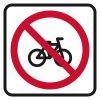
Question 1 of 40Road signs · Road signs, lights and markings
Question 2 of 40Road signs · Road signs, lights and markings
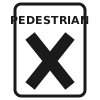
Question 3 of 40Road signs · Road signs, lights and markings
Question 4 of 40Road signs · Road signs, lights and markings
Question 5 of 40Road signs · Road signs, lights and markings
Question 6 of 40Road signs · Road signs, lights and markings
Question 7 of 40Road signs · Road signs, lights and markings
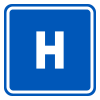
Question 8 of 40Road signs · Road signs, lights and markings
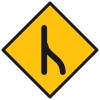
Question 9 of 40Road signs · Road signs, lights and markings
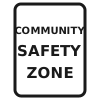
Question 10 of 40Road signs · Road signs, lights and markings
Question 11 of 40Road signs · Road signs, lights and markings
Question 12 of 40Road signs · Road signs, lights and markings
Question 13 of 40Road signs · Road signs, lights and markings

Question 14 of 40Road signs · Road signs, lights and markings
Question 15 of 40Road signs · Road signs, lights and markings
Question 16 of 40Road signs · Road signs, lights and markings
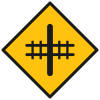
Question 17 of 40Road signs · Road signs, lights and markings
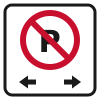
Question 18 of 40Road signs · Road signs, lights and markings
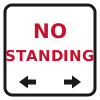
Question 19 of 40Road signs · Road signs, lights and markings
Question 20 of 40Road signs · Road signs, lights and markings
Question 21 of 40Rules of the road · Sharing the road
Question 22 of 40Rules of the road · Speed and following distance
Question 23 of 40Rules of the road · Emergencies and equipment
Question 24 of 40Rules of the road · Right of way
Question 25 of 40Rules of the road · Parking and stopping
Question 26 of 40Rules of the road · Alcohol, drugs and penalties
Question 27 of 40Rules of the road · Safe driving and hazards
Question 28 of 40Rules of the road · Safe driving and hazards
Question 29 of 40Rules of the road · Sharing the road
Question 30 of 40Rules of the road · Rules of the road and licensing
Question 31 of 40Rules of the road · Sharing the road
Question 32 of 40Rules of the road · Rules of the road and licensing
Question 33 of 40Rules of the road · Turning, passing and lanes
Question 34 of 40Rules of the road · Speed and following distance
Question 35 of 40Rules of the road · Rules of the road and licensing
Question 36 of 40Rules of the road · Right of way
Question 37 of 40Rules of the road · Rules of the road and licensing
Question 38 of 40Rules of the road · Alcohol, drugs and penalties
Question 39 of 40Rules of the road · Alcohol, drugs and penalties
Question 40 of 40Rules of the road · Turning, passing and lanes
Answer each question to see the explanation. Keyboard: A–D or 1–4 to answer, N next, P previous.
The correct answer to each question above, why it is right, and where it comes from. Try the test first.
Question 1: C. Bicycles are not allowed on this road
A red circle with a slash over a bicycle means no bicycles are allowed on this road.
Handbook: Traffic Signs and Lights: Signs — Regulatory signs
Question 2: D. When they have crossed the whole road
At a pedestrian crossover, wait until pedestrians have completely crossed the road and cleared the roadway.
Handbook: Traffic Signs and Lights: Pavement markings — Pedestrian crossovers
Question 3: B. Not within 30 metres
You must not pass any vehicle within 30 metres of a pedestrian crossover.
Handbook: Safe and Responsible Driving: Stopping — Stopping for pedestrian crossovers
Question 4: D. By pressing the button
Where there are pedestrian push-buttons, a pedestrian must use the button to bring on the walk signal.
Handbook: Traffic Signs and Lights: Pedestrian signals
Question 5: B. You may move only in the arrow's direction
A white arrow painted on a lane means you may move only in the direction of the arrow.
Handbook: Traffic Signs and Lights: Pavement markings
Question 6: C. It lets public transit vehicles go first
A transit priority signal lets transit vehicles go through or turn while all conflicting traffic faces a red light.
Handbook: Traffic Signs and Lights: Traffic lights
Question 7: D. A hospital can be reached from this road
This information sign shows that a hospital can be reached from this road.
Handbook: Traffic Signs and Lights: Signs — Information and direction signs
Question 8: D. Two roads join into one ahead
The merge sign warns that traffic from another road will join your lane ahead.
Handbook: Traffic Signs and Lights: Signs — Warning signs
Question 9: D. The community has found a special risk to pedestrians there
Community safety zones mark areas where the community has identified a special risk to pedestrians.
Handbook: Safe and Responsible Driving: Sharing the road with other road users — Sharing the road with pedestrians
Question 10: B. To guide drivers around an unplanned highway closure
EDR markers guide motorists around an unscheduled provincial highway closure and back onto the highway.
Handbook: Traffic Signs and Lights: Signs — Other signs
Question 11: A. Oncoming traffic and pedestrians crossing
On green you may turn after yielding to vehicles and pedestrians already in the intersection; turning, yield to pedestrians crossing.
Handbook: Traffic Signs and Lights: Traffic lights
Question 12: C. Green with white letters
Information and direction signs are usually rectangular with a green background and white letters.
Handbook: Traffic Signs and Lights: Signs — Information and direction signs
Question 13: A. Slow down, look both ways and be ready to stop
At a railway crossing sign, slow down, look both ways for trains and be prepared to stop.
Handbook: Traffic Signs and Lights: Signs — Railway crossing sign
Question 14: A. The roads to follow to reach a place
VIA describes the roads that must be followed to reach a destination.
Handbook: Traffic Signs and Lights: Signs — Information and direction signs
Question 15: B. Diamond-shaped, yellow with black
Warning signs are usually diamond-shaped with a yellow background and black letters or symbols.
Handbook: Traffic Signs and Lights: Signs — Warning signs
Question 16: B. Slow down and look and listen for trains
Railway tracks cross the road ahead: slow down and be alert for trains.
Handbook: Traffic Signs and Lights: Signs — Warning signs
Question 17: C. You may stop only to load or unload people or goods
No parking means you may not park, but you may stop briefly to load or unload passengers or merchandise.
Handbook: Traffic Signs and Lights: Signs — Regulatory signs
Question 18: C. No, only passengers may be loaded
No standing allows stopping only while loading or unloading passengers, not goods.
Handbook: Traffic Signs and Lights: Signs — Regulatory signs
Question 19: C. Traffic fines are higher in this zone
A community safety zone has a special risk to pedestrians, and traffic offences there bring increased fines.
Handbook: Traffic Signs and Lights: Signs — Regulatory signs
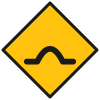
Question 20: C. A bump or uneven pavement ahead
This sign warns of a bump or uneven pavement; slow down and keep control of your vehicle.
Handbook: Traffic Signs and Lights: Signs — Warning signs
Question 21: A. To avoid hazards or stop unsafe passing in a narrow lane
Cyclists may use any part of the lane for safety, such as to avoid potholes or discourage passing where the lane is too narrow.
Handbook: Safe and Responsible Driving: Sharing the road with other road users — Sharing the road with cyclists
Question 22: B. 50 km/h
With no posted limit, the maximum is 50 km/h in cities, towns and villages and 80 km/h elsewhere.
Handbook: Safe and Responsible Driving: Driving along — Obey speed limits
Question 23: C. Slow down and move into the far lane if safe
Slow down and, on roads with two or more lanes your way, move into a lane away from the tow truck if it is safe.
Handbook: Safe and Responsible Driving: Dealing with particular situations — Reacting to a stopped emergency vehicle or tow truck
Question 24: A. Your right blind spot for cyclists
Turning right, check your blind spot for cyclists coming from behind, particularly in a bike lane on your right.
Handbook: Safe and Responsible Driving: Driving through intersections — Yielding the right-of-way
Question 25: C. Toward the curb
Facing downhill, turn your front wheels toward the curb or right shoulder so the car cannot roll into traffic.
Handbook: Safe and Responsible Driving: Parking along roadways — Parking on a hill
Question 26: B. 3
Exceeding the speed limit by 16 to 29 km/h carries 3 demerit points.
Handbook: Keeping Your Driver's Licence — Table of offences
Question 27: A. Only to call 911 in an emergency
It is illegal to use a hand-held phone to text or dial while driving, except to call 911 in an emergency.
Handbook: Safe and Responsible Driving: Dealing with particular situations — Distracted driving
Question 28: A. Slow down and sound your horn
Slow down and sound your horn; do not try to drive around the animal, since its movements are unpredictable.
Handbook: Safe and Responsible Driving: Dealing with particular situations — Animals on the road
Question 29: C. They may rely on engine sound, and your car is quiet
Vision-impaired people often listen for an engine, and hybrid or electric vehicles make little noise when slowing or stopping.
Handbook: Safe and Responsible Driving: Sharing the road with other road users — Sharing the road with pedestrians
Question 30: D. 60 days
New residents may use a valid licence from elsewhere for 60 days, then need an Ontario licence.
Handbook: Getting Your Driver's Licence — New Ontario residents
Question 31: B. Stop
You must stop for a school bus with its upper red lights flashing whether you are behind it or approaching from the front.
Handbook: Safe and Responsible Driving: Stopping — Stopping for school buses
Question 32: B. The passengers are immediate family
The limits do not apply with a fully licensed driver in the front seat, or if the passengers are immediate family.
Handbook: Getting Your Driver's Licence — Level Two (Class G2)
Question 33: B. The far left lane
Trucks are not allowed in the far left lane on many highways with three or more lanes, so the next lane is the truck passing lane.
Handbook: Safe and Responsible Driving: Changing positions — Passing
Question 34: D. The speed of traffic around you, within the limit
Drive at the same speed as the traffic around you without going over the speed limit.
Handbook: Safe and Responsible Driving: Driving along — Maintaining space
Question 35: C. One
In the first six months of G2, a driver 19 or under may carry only one passenger aged 19 or under from midnight to 5 a.m.
Handbook: Getting Your Driver's Licence — Level Two (Class G2)
Question 36: B. Yield the right-of-way to let them through
Some volunteer firefighters show a flashing green light on their own vehicles; yield to help them respond quickly.
Handbook: Safe and Responsible Driving: Dealing with particular situations — Reacting to an approaching emergency vehicle
Question 37: C. Five years
Novice drivers (except Class M1) have five years to complete graduated licensing, or they must requalify.
Handbook: Keeping Your Driver's Licence — Graduated licensing requalification
Question 38: C. A 30-day licence suspension
Violating any graduated-licensing condition brings a 30-day licence suspension.
Handbook: Other ways to lose your licence — Novice-driver violations
Question 39: B. Five years
The handbook says failing to stop for a police officer brings a suspension of "a minimum of five years".
Handbook: Other ways to lose your licence — Mandatory HTA suspensions
Question 40: B. Divided roads with a limit over 80 km/h
It is illegal to reverse on a divided road with a speed limit over 80 km/h, including its shoulder, unless helping someone in trouble.
Handbook: Safe and Responsible Driving: Changing directions — Backing up
Practice test 1 of 10 for the G1 knowledge test (DriveTest): 40 questions, 16 of 20 in each section to pass — the commonly reported format; DriveTest does not publish the count. Official pass mark: 80%. Our practice tests are untimed.