Question 1 of 40Road signs · Road signs, lights and markings
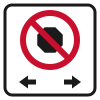
Question 1 of 40Road signs · Road signs, lights and markings
Question 2 of 40Road signs · Road signs, lights and markings
Question 3 of 40Road signs · Road signs, lights and markings
Question 4 of 40Road signs · Road signs, lights and markings
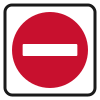
Question 5 of 40Road signs · Road signs, lights and markings
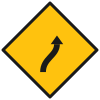
Question 6 of 40Road signs · Road signs, lights and markings
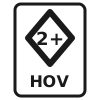
Question 7 of 40Road signs · Road signs, lights and markings
Question 8 of 40Road signs · Road signs, lights and markings
Question 9 of 40Road signs · Road signs, lights and markings
Question 10 of 40Road signs · Road signs, lights and markings
Question 11 of 40Road signs · Road signs, lights and markings

Question 12 of 40Road signs · Road signs, lights and markings
Question 13 of 40Road signs · Road signs, lights and markings
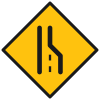
Question 14 of 40Road signs · Road signs, lights and markings
Question 15 of 40Road signs · Road signs, lights and markings
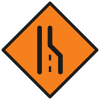
Question 16 of 40Road signs · Road signs, lights and markings
Question 17 of 40Road signs · Road signs, lights and markings
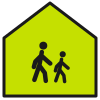
Question 18 of 40Road signs · Road signs, lights and markings
Question 19 of 40Road signs · Road signs, lights and markings
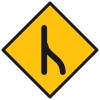
Question 20 of 40Road signs · Road signs, lights and markings
Question 21 of 40Rules of the road · Right of way
Question 22 of 40Rules of the road · Rules of the road and licensing
Question 23 of 40Rules of the road · Parking and stopping
Question 24 of 40Rules of the road · Emergencies and equipment
Question 25 of 40Rules of the road · Rules of the road and licensing
Question 26 of 40Rules of the road · Rules of the road and licensing
Question 27 of 40Rules of the road · Parking and stopping
Question 28 of 40Rules of the road · Safe driving and hazards
Question 29 of 40Rules of the road · Emergencies and equipment
Question 30 of 40Rules of the road · Turning, passing and lanes
Question 31 of 40Rules of the road · Sharing the road
Question 32 of 40Rules of the road · Emergencies and equipment
Question 33 of 40Rules of the road · Safe driving and hazards
Question 34 of 40Rules of the road · Turning, passing and lanes
Question 35 of 40Rules of the road · Speed and following distance
Question 36 of 40Rules of the road · Parking and stopping
Question 37 of 40Rules of the road · Parking and stopping
Question 38 of 40Rules of the road · Parking and stopping
Question 39 of 40Rules of the road · Rules of the road and licensing
Question 40 of 40Rules of the road · Right of way
Answer each question to see the explanation. Keyboard: A–D or 1–4 to answer, N next, P previous.
The correct answer to each question above, why it is right, and where it comes from. Try the test first.
Question 1: D. No, not even briefly
No stopping means you may not stop between the signs at all during the posted times, even to let someone out.
Handbook: Traffic Signs and Lights: Signs — Regulatory signs
Question 2: C. Come to a complete stop, then go when safe
At a flashing red light you must come to a complete stop and move through only when it is safe.
Handbook: Traffic Signs and Lights: Traffic lights
Question 3: C. The lane is shared by cars and bicycles
A sharrow shows the lane is shared, so bicycles or vehicles may be in it; watch for cyclists.
Handbook: Safe and Responsible Driving: Sharing the road with other road users — Sharing the road with cyclists
Question 4: B. You may not enter this road
The do not enter sign means you may not enter the road from this direction.
Handbook: Traffic Signs and Lights: Signs — Regulatory signs
Question 5: A. The maximum safe speed for the curve
A speed plate posted under a curve warning shows the maximum safe speed for the curve.
Handbook: Traffic Signs and Lights: Signs — Warning signs
Question 6: C. The lane is for buses or cars with the posted number of people
This sign marks a high-occupancy vehicle lane for buses or vehicles carrying at least the number of people shown.
Handbook: Traffic Signs and Lights: Signs — High Occupancy Vehicle (HOV) signs
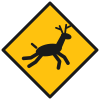
Question 7: A. Slow down and scan both shoulders
Animals are most active from dusk to dawn; slow down and scan the road from shoulder to shoulder.
Handbook: Safe and Responsible Driving: Dealing with particular situations — Animals on the road
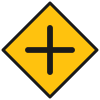
Question 8: B. Another road crosses ahead
This sign warns of an intersection ahead; watch for traffic from both sides.
Handbook: Traffic Signs and Lights: Signs — Warning signs
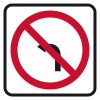
Question 9: D. Do not turn left at the intersection
This regulatory sign means you may not turn left at the intersection.
Handbook: Traffic Signs and Lights: Signs — Regulatory signs
Question 10: D. Two parallel white lines across the road
A crosswalk is marked by two parallel white lines, but crosswalks at intersections are not always marked.
Handbook: Traffic Signs and Lights: Pavement markings
Question 11: A. Let traffic in or near the intersection go first
A yield sign means you must let traffic in the intersection or close to it go first, stopping if needed.
Handbook: Traffic Signs and Lights: Signs — Yield sign
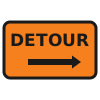
Question 12: B. Follow the temporary route shown
A detour sign marks a temporary change from the normal route; follow it until you return to the regular route.
Handbook: Traffic Signs and Lights: Signs — Temporary condition signs
Question 13: C. Merge safely into the lane to your left
The right lane ends ahead; if you are in it, you must merge safely with traffic in the lane to the left.
Handbook: Traffic Signs and Lights: Signs — Warning signs
Question 14: A. Speeding fines are doubled
This sign enforces doubled Highway Traffic Act fines for speeding in a construction zone when workers are present.
Handbook: Traffic Signs and Lights: Signs — Temporary condition signs
Question 15: A. A lane ahead is closed; merge into the open lane
The lane ahead is closed for roadwork; obey the speed limit and merge with traffic in the open lane.
Handbook: Traffic Signs and Lights: Signs — Temporary condition signs
Question 16: D. You may not begin your left turn now
At these intersections you may not begin turning left after the green light appears for traffic going straight or turning right.
Handbook: Traffic Signs and Lights: Traffic lights
Question 17: B. You are coming to a school zone
The five-sided school zone sign warns that you are coming to a school zone: slow down and watch for children.
Handbook: Traffic Signs and Lights: Signs — School zone sign
Question 18: B. You may or must do the activity shown
A green circle means you may or must do what is shown inside; a red circle with a slash means it is not allowed.
Handbook: Traffic Signs and Lights: Signs — Regulatory signs
Question 19: A. Drivers on both roads
Where two roads join, drivers on both roads are equally responsible for a smooth and safe merge.
Handbook: Traffic Signs and Lights: Signs — Warning signs
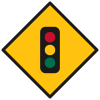
Question 20: C. Traffic lights ahead
This sign warns of traffic lights ahead; slow down and be ready to stop.
Handbook: Traffic Signs and Lights: Signs — Warning signs
Question 21: A. Traffic already in the roundabout
Traffic in the roundabout has the right-of-way; look left and yield to it before entering.
Handbook: Safe and Responsible Driving: Changing directions — Driving through roundabouts
Question 22: A. Right away, when asked
Hand over your licence, permit and insurance right away when asked; you do not have 24 hours.
Handbook: Safe and Responsible Driving: Driving along — Obey police
Question 23: C. A vehicle showing a valid permit for someone in it
Never park in a disabled space unless you display an Accessible Parking Permit that belongs to you or a passenger.
Handbook: Safe and Responsible Driving: Parking along roadways — Parking for people with disabilities
Question 24: D. Stay in the car with the doors locked
Pull onto the shoulder, put on hazards and stay in your vehicle with the doors locked; do not raise the hood.
Handbook: Safe and Responsible Driving: Dealing with emergencies — If you have trouble on a freeway
Question 25: A. No, it is illegal
Speed-measuring warning devices are illegal; you can be fined and get demerit points.
Handbook: Safe and Responsible Driving: Driving along — Obey speed limits
Question 26: A. Less than .05%
The accompanying driver must have a blood-alcohol level of less than .05% while accompanying you.
Handbook: Getting Your Driver's Licence — Level One (Class G1)
Question 27: B. No closer than 15 metres
Do not park within nine metres of an intersection, or within 15 metres if it is controlled by traffic lights.
Handbook: Safe and Responsible Driving: Parking along roadways — Parking along roadways
Question 28: A. Black ice
Winter asphalt should look grey-white; black and shiny pavement may be covered in a thin layer of black ice.
Handbook: Safe and Responsible Driving: Driving at night and in bad weather — Ice
Question 29: D. No closer than 150 metres
It is illegal to follow within 150 metres of a fire vehicle responding to an alarm.
Handbook: Safe and Responsible Driving: Dealing with particular situations — Reacting to an approaching emergency vehicle
Question 30: D. Stay behind and turn when the way is clear
Do not pull up beside a bicycle or motorcycle turning left; stay behind and turn when it is clear.
Handbook: Safe and Responsible Driving: Changing directions — Left turns
Question 31: C. At least 20 metres
If you are coming from behind the bus, stop at least 20 metres away.
Handbook: Safe and Responsible Driving: Stopping — Stopping for school buses
Question 32: A. Drop the turn, go straight when safe, then pull over
Abandon the turn and clear the intersection by going straight when safe, then pull to the right and stop.
Handbook: Safe and Responsible Driving: Dealing with particular situations — Reacting to an approaching emergency vehicle
Question 33: A. 2 a.m. to 6 a.m. and 2 p.m. to 4 p.m.
Drowsiness collisions tend to happen late at night and early morning, 2 to 6 a.m., and in the afternoon, 2 to 4 p.m.
Handbook: Safe and Responsible Driving: Dealing with particular situations — Drowsy driving
Question 34: C. The left lane
Use the left lane to turn left or go straight; use the right lane to turn right or go straight.
Handbook: Safe and Responsible Driving: Changing directions — Driving through roundabouts
Question 35: A. Almost five times
Crashing at 50 km/h or more above the posted highway limit makes death or serious injury almost five times more likely.
Handbook: Other ways to lose your licence — Sanctions – dangerous behaviours
Question 36: A. About 30 centimetres at most
Stop parallel to the curb or edge of the road, no more than about 30 centimetres away.
Handbook: Safe and Responsible Driving: Parking along roadways — Roadside stop
Question 37: A. No closer than 6 metres
Do not park within 6 metres of a public entrance to a hotel, theatre or public hall when it is open to the public.
Handbook: Safe and Responsible Driving: Parking along roadways — Parking along roadways
Question 38: B. Opening your door with your far hand so you look back
Open the driver's door with your right hand; this turns your body so you check for cyclists before opening.
Handbook: Safe and Responsible Driving: Parking along roadways — Parking along roadways
Question 39: B. At least 12 months
Level Two lasts at least 12 months; then you may take a road test for full Class G privileges.
Handbook: Getting Your Driver's Licence — Level Two (Class G2)
Question 40: C. Vehicles on the road and people on the sidewalk
When entering a road from a private road or driveway, yield to vehicles on the road and pedestrians on the sidewalk.
Handbook: Safe and Responsible Driving: Driving through intersections — Yielding the right-of-way
Practice test 2 of 10 for the G1 knowledge test (DriveTest): 40 questions, 16 of 20 in each section to pass — the commonly reported format; DriveTest does not publish the count. Official pass mark: 80%. Our practice tests are untimed.